Where do unoptimized plate‑storage layouts eat into fabricator operating profits?
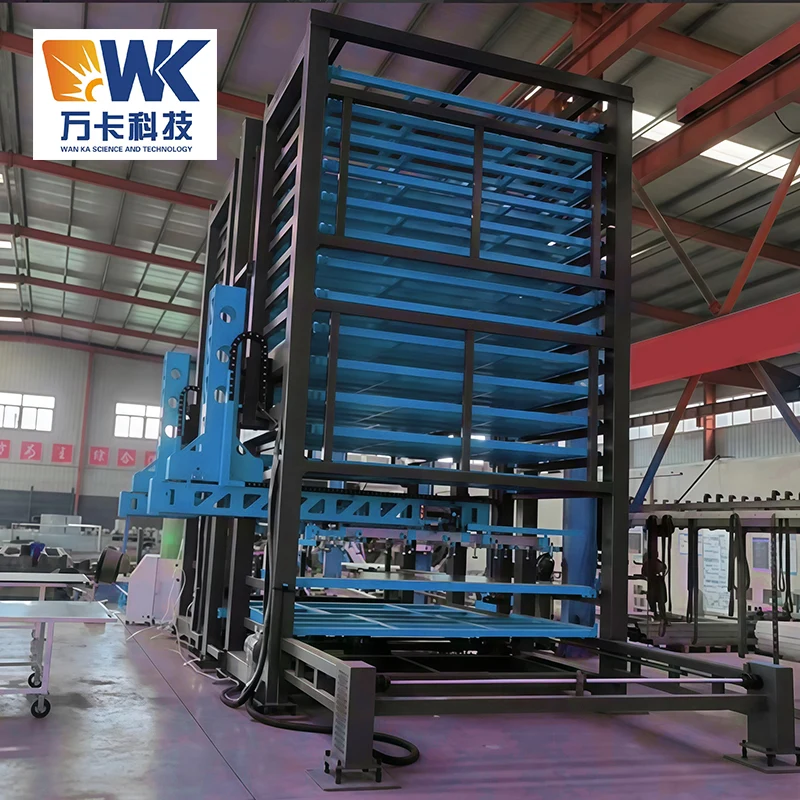
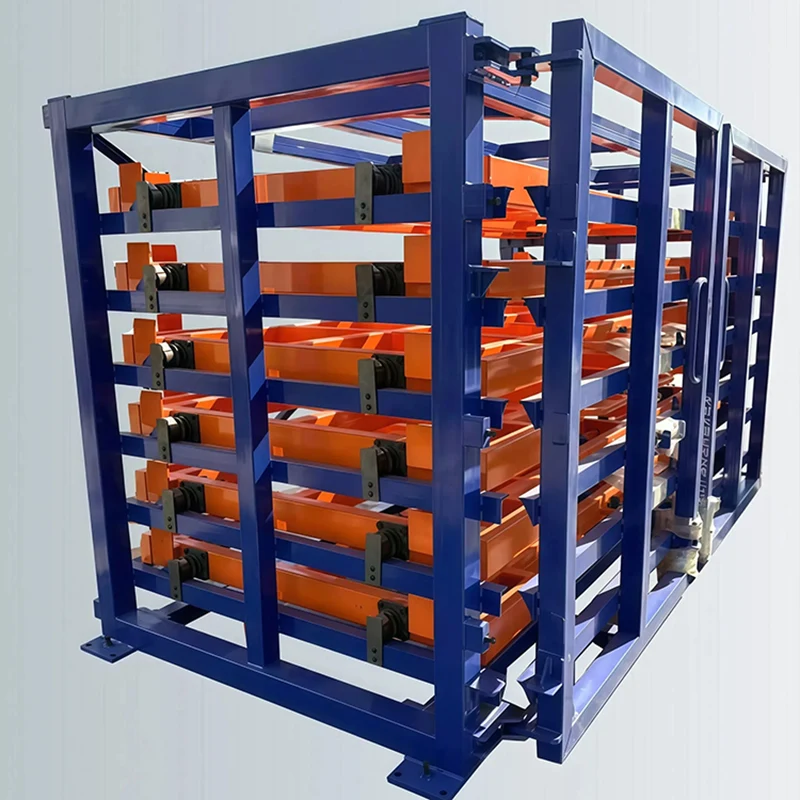
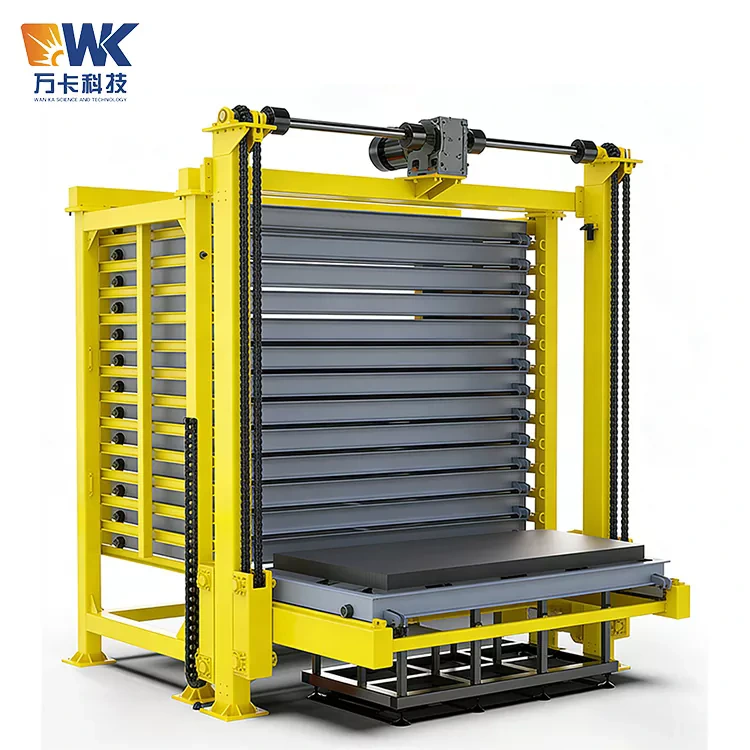
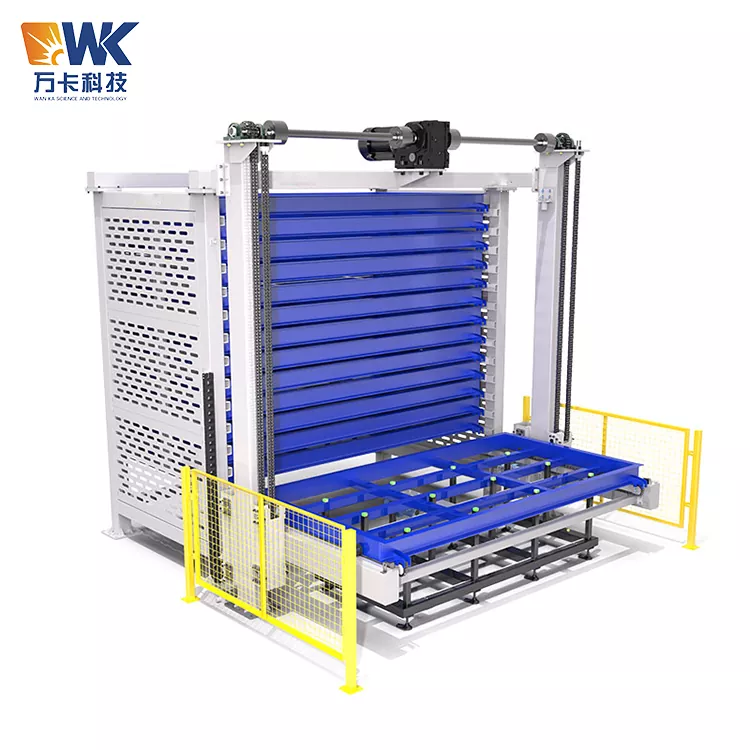
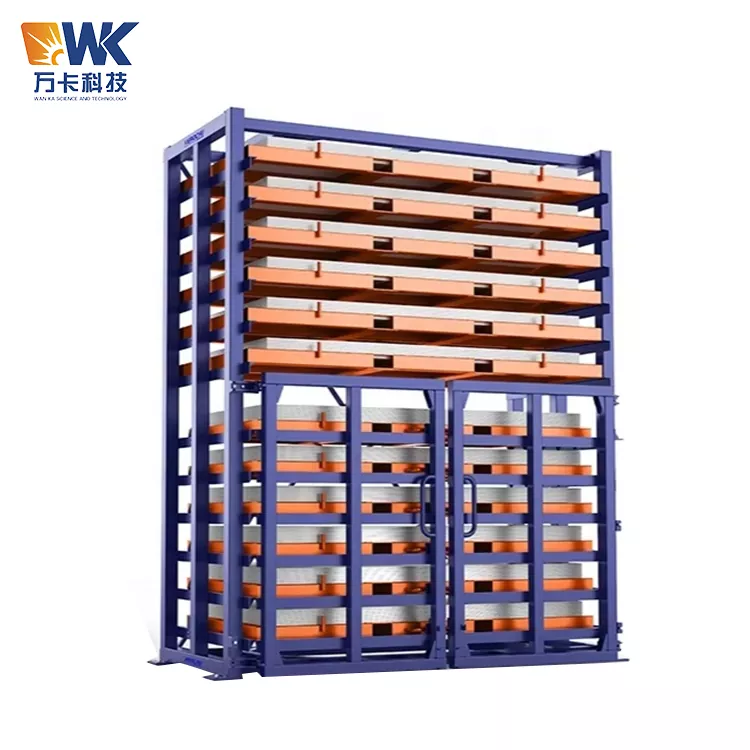
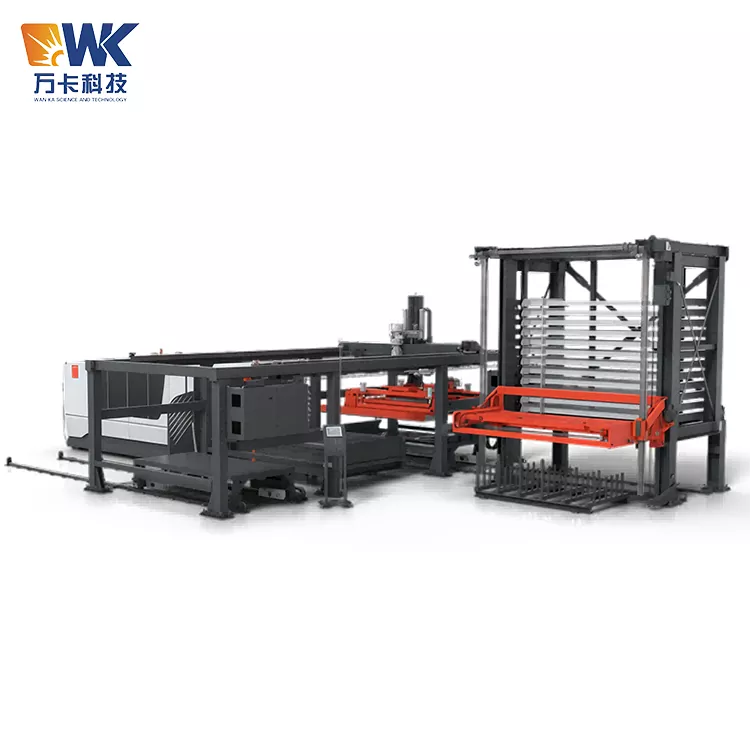
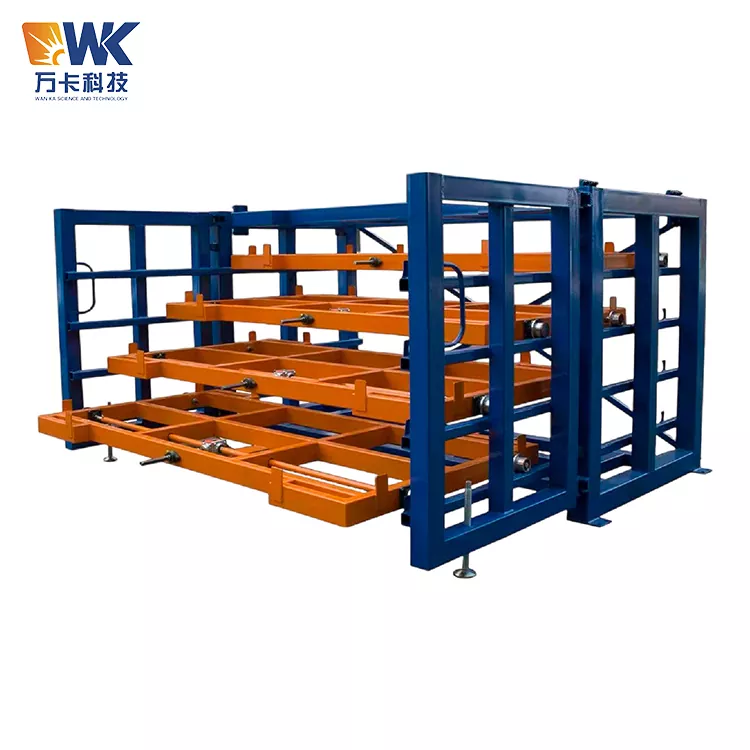
Cross‑border sheet‑metal fabrication operators, laser‑cut workshop managers and manufacturing system integrators confront four recurring hidden operational losses from conventional plate‑storage solutions: disorganized floor‑stacked or static cantilever racks waste expensive factory footprint and extend raw‑material search cycles; unprotected manual plate handling creates scratched high‑value stainless and coated sheets, raising material scrap expenditure; poorly‑guarded manual storage workflows elevate workplace‑incident risks and hinder EU OSHA‑aligned safety audits; generic storage hardware lacks seamless data docking with on‑site ERP‑MES production software, leading to blind inventory management and over‑purchase of metal raw stock. Wanka 2060 Automatic Sheet Metal Storage system adopts heavy‑duty drawer‑tray mechanical structure, PLC‑driven automatic access and standardized software‑interface design, mitigating space waste, high‑value‑plate scrap, safety‑audit obstacles and inventory‑blind‑spot losses for global metal‑processing workshops.
1. Vertical‑centric drawer‑tray architecture reduces costly workshop footprint waste
Traditional sheet‑metal workshops rely on floor stacking or wide‑aisle cantilever racks, consuming large‑area horizontal factory real estate. In regions with rising industrial land rent, idle floor space occupied by raw‑plate storage directly restricts room for adding extra laser‑cut or bending production cells. Many fabricators face the dilemma of either expanding plant buildings or lowering raw‑material stock levels. The 2060 storage unit maximizes vertical workshop height, storing 2060‑format metal sheets within compact ground footprint. Real‑world workshop deployment data shows effective plate‑storage density rises significantly without civil‑engineering reconstruction, allowing factories to add new processing equipment using existing plant boundaries and deferring costly workshop‑expansion capital outlay.
2. Independent tray isolation cuts surface‑damage scrap for premium metal blanks
Under floor‑stacked conditions, operators must shift multiple upper‑layer heavy plates to fetch target sheets below. Sliding friction leaves scratches on mirror‑finish stainless steel, pre‑painted aluminum and coated blanks; damaged plates get downgraded or scrapped, generating substantial material losses especially for high‑grade alloy stock. Each plate inside Wanka 2060 system sits within its own separated drawer‑tray compartment. Target trays move automatically to operator access station, eliminating cross‑plate friction and manual shifting operations. This isolated‑storage mechanism lowers surface‑caused scrap ratio for high‑value sheet‑metal raw materials and stabilizes finished‑product yield for high‑end fabrication orders.
3. Built‑in safety interlock mechanisms support EU workplace‑safety audit requirements
Open‑style cantilever racks and ground stacking expose workshop staff to heavy‑plate tilting, slipping and crush hazards. European manufacturing inspectors check physical‑protection measures according to EN 15635 storage‑system standard and EU‑OSHA manual‑handling directives. Workshops without structured mechanical guarding may receive rectification notices or higher workers‑compensation insurance premiums. The 2060 automatic storage system integrates safety light‑curtain barriers, emergency‑stop loops and tray anti‑fall locking devices complying with ISO 13849‑1 functional‑safety specifications. Complete English‑language safety‑test documentation accompanies each delivery, simplifying on‑site regulatory inspection procedures for export‑oriented metal‑fabrication facilities.

4. Reserved standardized communication interfaces close inventory data blind spots
A large number of conventional sheet‑metal racks operate without digital‑data linkage. Warehouse staff rely on manual paper or spreadsheet logging to record plate incoming‑outgoing status. Human‑input errors generate inventory discrepancies: over‑stocking of seldom‑used plate specifications or unexpected raw‑material shortages that halt laser‑cut production lines. Wanka 2060 system reserves open‑protocol data interfaces for docking with factory ERP and MES platforms. Plate storage location, specification, thickness and stock quantity synchronize automatically into production management software. Fabricators achieve real‑time raw‑material visibility, reducing blind‑stock‑related production‑halt incidents and optimizing metal‑plate procurement rhythm.
5. Modular mechanical design adapts existing workshop civil‑foundation conditions
Many large‑scale automated plate warehouses demand special reinforced concrete foundation transformation, bringing extra construction expense and multi‑week production‑halt during retrofitting. Wanka’s 2060 series modular frame‑tray assembly optimizes whole‑machine load‑transfer structure, suitable for most standard‑strength industrial concrete floors without heavy foundation rework. Modular component grouping shortens on‑site installation cycle; metal‑processing plants can implement storage‑system upgrading without long‑term production suspension.
6. Turn‑key project service streamlines cross‑border system‑integrator procurement workflow
Some storage‑equipment vendors only supply bare mechanical frames, forcing system integrators to source PLC control units, safety components and operating software from multiple separate suppliers. Multi‑vendor coordination increases communication overhead and risks mismatched component compatibility. Wanka delivers turn‑key 2060 automatic sheet‑metal storage solution including mechanical frame, electrical control cabinet, human‑machine touch panel and core safety accessories within single‑factory scope. Unified factory‑side pre‑delivery aging testing reduces on‑site debugging difficulty and shortens overall project‑delivery timeline for international storage‑system contractors.
Related News
- How Does 1530 Automatic Sheet Metal Storage Improve Factory Efficiency?
- What Makes 1530 Hand Pull Sheet Metal Storage a Practical Choice for Modern Workshops?
- How Can a 2060 Heavy Duty Pull Out Forklift Rack Improve Warehouse Storage?
- How Does a 1560 Heavy Duty Pull Out Forklift Rack Improve Warehouse Storage?
- Where do poorly‑validated custom AS‑RS sheet‑metal projects expose integrators to contractual risks?
- How Does a Manual Profile Warehouse Improve Storage Efficiency for Modern Businesses?
Leave me a message
News Recommendations