How Can a 2060 Heavy Duty Pull Out Forklift Rack Improve Warehouse Storage?
Warehouses handling molds, dies, steel plates, metal components, tools, mechanical parts, and other oversized loads often face the same problems: limited floor space, difficult material access, excessive forklift movement, unsafe manual handling, and slow inventory turnover. A 2060 Heavy Duty Pull Out Forklift Rack provides a practical way to organize heavy materials while allowing stored loads to be pulled outward for easier loading, inspection, and retrieval. This article explains how this rack works, why it matters, what operational problems it can solve, and what buyers should consider before selecting a heavy-duty pull-out storage system.
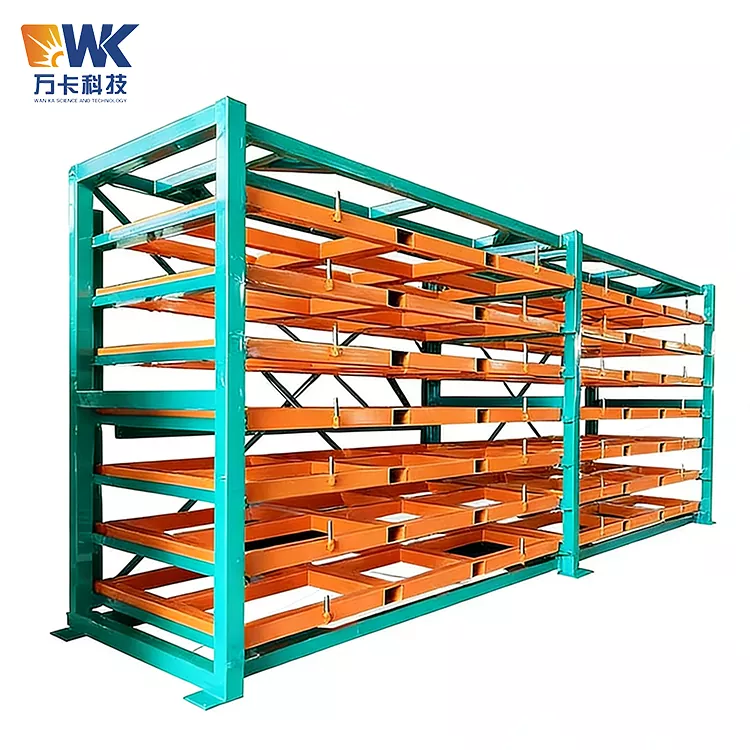
Table of Contents
- Understanding the 2060 Heavy Duty Pull Out Forklift Rack
- The Warehouse Problems This Rack Is Designed to Solve
- How the Pull-Out Structure Works
- Key Benefits for Heavy Material Storage
- Typical Applications and Industries
- Pull-Out Forklift Rack vs. Conventional Heavy-Duty Racking
- Important Factors Before Purchasing
- Safe Operation and Maintenance Practices
- Why Work With Wanka Storage Co., Ltd.
- Frequently Asked Questions
- Conclusion
Understanding the 2060 Heavy Duty Pull Out Forklift Rack
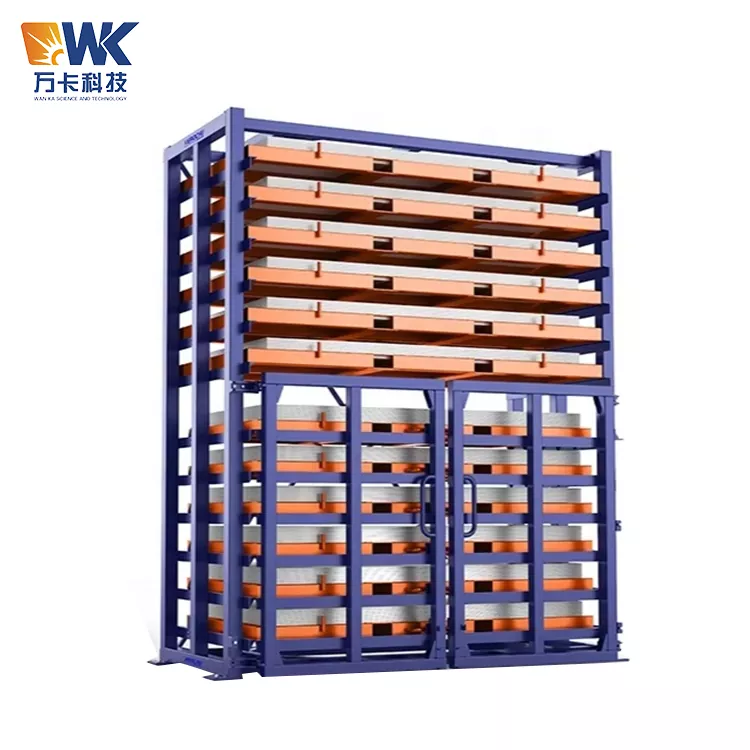
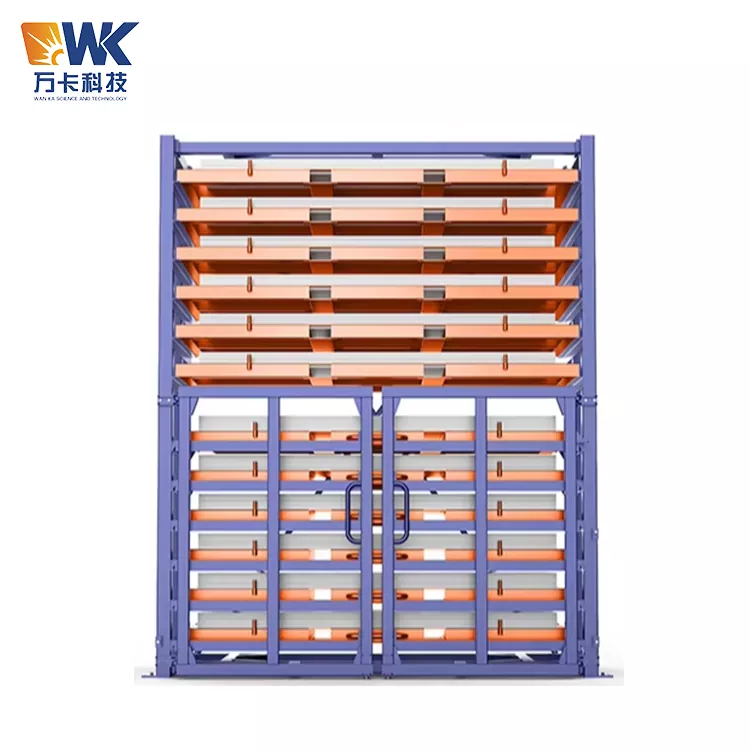
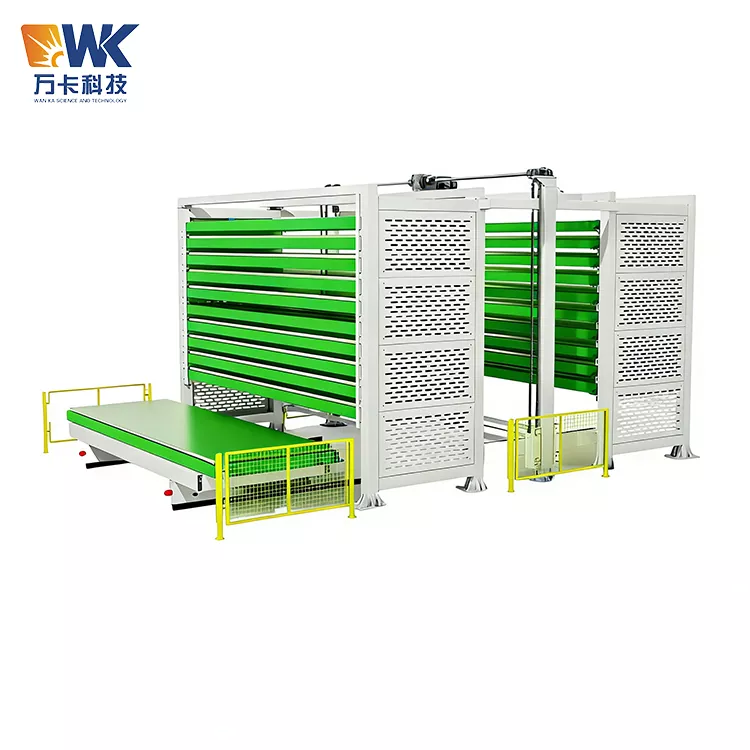
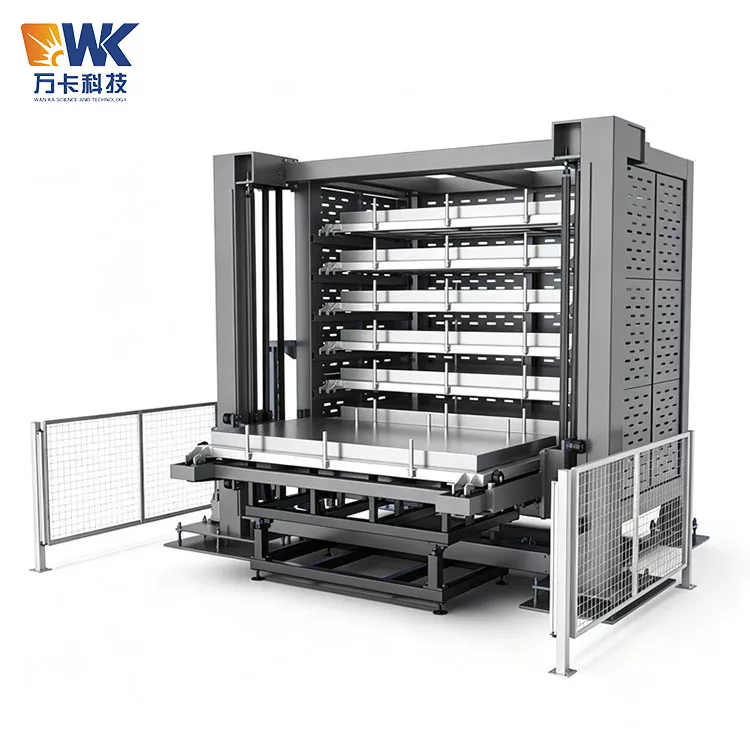
The 2060 Heavy Duty Pull Out Forklift Rack is designed for warehouses that need to store heavy or bulky materials while maintaining convenient access. Unlike a fixed storage rack where operators may need to reach deep into a bay, a pull-out system allows the storage platform or rack section to move outward from the main frame.
This movement changes the way heavy goods are accessed. Instead of requiring personnel or forklifts to work deep inside a storage position, the load can be brought toward the operator. This is particularly useful for materials that are difficult to handle manually or products that need frequent inspection, picking, production feeding, or repositioning.
The “2060” designation may refer to a specific dimensional or configuration specification depending on the manufacturer's product series. Buyers should therefore confirm the exact dimensions, load rating, pull-out distance, platform configuration, steel specification, and compatible handling equipment with the supplier before placing an order.
Important purchasing note: Heavy-duty storage equipment should be selected according to the actual load characteristics and operating environment rather than by product name alone. Load weight, center of gravity, dimensions, frequency of access, floor conditions, and forklift specifications all affect the appropriate configuration.
The Warehouse Problems This Rack Is Designed to Solve
Heavy materials create different storage challenges from cartons or lightweight pallets. When conventional shelving is used for dies, molds, steel products, mechanical assemblies, or other dense items, several operational problems can appear.
- Poor accessibility: Heavy goods stored deep inside a rack can be difficult to reach without moving other items.
- Wasted floor space: Large products often require generous handling aisles and clearance areas.
- Slow picking: Repeated repositioning of heavy products can consume significant labor and equipment time.
- Safety concerns: Manual pulling, pushing, or lifting of heavy loads can increase handling risks.
- Inventory visibility issues: Materials placed behind other products may be harder to inspect and identify.
- Forklift dependency: Traditional deep storage can require frequent forklift positioning and maneuvering.
A pull-out storage design addresses these challenges by bringing the stored load into a more accessible position. The result is a storage process that can be easier to organize, inspect, and integrate into daily production or distribution operations.
How the Pull-Out Structure Works
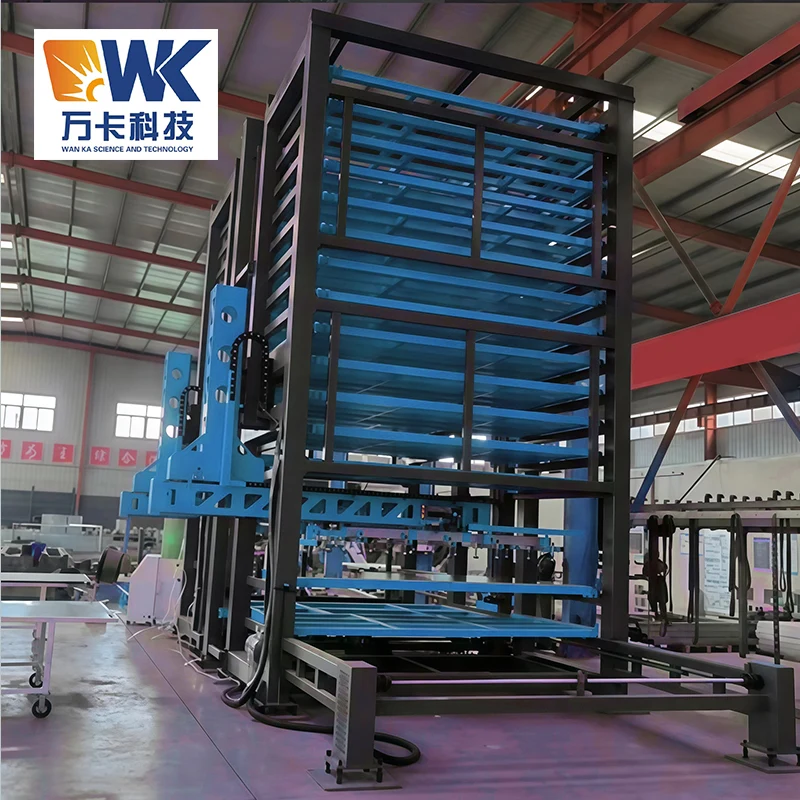
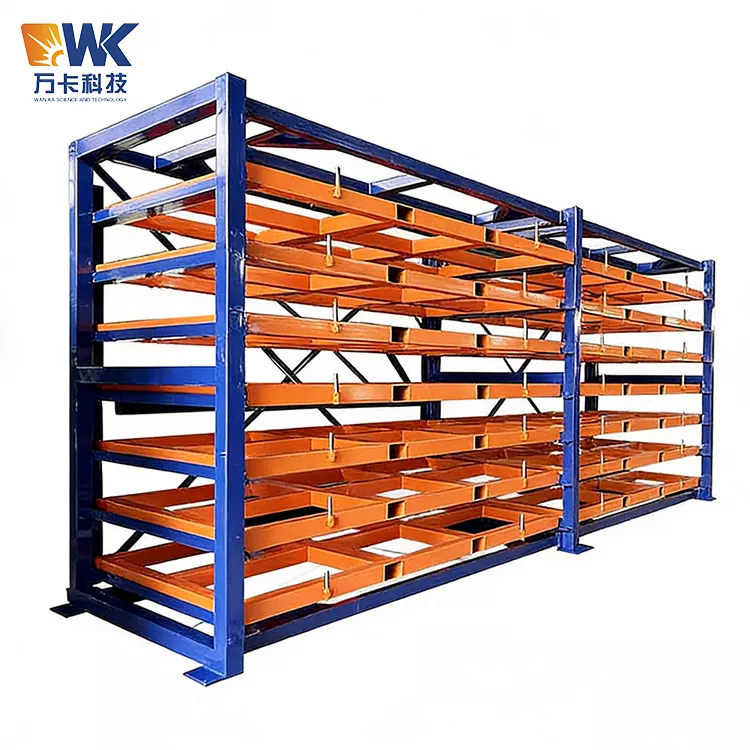
The basic principle is straightforward. The rack includes a heavy-duty structural frame and a movable storage platform, tray, or carriage. After the load is positioned, the storage section remains supported inside the rack. When access is required, the movable section can be pulled outward, creating a more convenient loading and unloading position.
Depending on the design, movement may be supported by heavy-duty rollers, rails, bearings, or other mechanical components engineered for high loads. The exact mechanism varies according to the rack capacity and application.
| Component | Primary Function | Why It Matters |
|---|---|---|
| Main frame | Supports the storage structure | Provides overall stability and load support |
| Pull-out platform | Carries stored material | Improves access to heavy loads |
| Rails or rollers | Guides movement | Supports smooth and controlled operation |
| Locking mechanism | Controls movement and positioning | Helps prevent unintended movement |
Key Benefits for Heavy Material Storage
Better Load Accessibility
One of the strongest advantages is direct access. When a platform moves outward, operators can work with the load from a more accessible position. This can reduce the need to reach into deep rack spaces and simplify material identification.
Improved Space Utilization
Heavy-duty pull-out storage can help organize dense materials vertically and systematically. Instead of allowing bulky goods to occupy unstructured floor areas, a dedicated rack creates defined storage locations. Better organization can make valuable warehouse floor space available for production, transportation, or other activities.
Reduced Handling Effort
When a heavy load is easier to access, unnecessary movement can often be reduced. Employees can spend less time rearranging nearby materials simply to reach the required item.
More Organized Inventory
Dedicated storage positions make it easier to assign locations to different molds, dies, components, tools, or production materials. This can improve visual organization and support more consistent inventory management.
Greater Operational Flexibility
A pull-out system can be adapted to different industrial workflows. It can support storage before production, temporary staging, maintenance access, component picking, or long-term organization of heavy materials.
Typical Applications and Industries
The 2060 Heavy Duty Pull Out Forklift Rack can be particularly useful wherever products are heavy, dense, bulky, or accessed regularly.
Automotive Manufacturing
For dies, tooling, components, and production fixtures.
For dies, tooling, components, and production fixtures.
Metalworking
For steel materials, plates, molds, and fabrication components.
For steel materials, plates, molds, and fabrication components.
Machinery Manufacturing
For machine parts, tooling, assemblies, and maintenance components.
For machine parts, tooling, assemblies, and maintenance components.
Tool & Die Storage
For heavy molds and dies requiring frequent retrieval.
For heavy molds and dies requiring frequent retrieval.
Industrial Distribution
For dense products that require organized warehouse access.
For dense products that require organized warehouse access.
Maintenance Departments
For spare parts, fixtures, tools, and equipment components.
For spare parts, fixtures, tools, and equipment components.
Pull-Out Forklift Rack vs. Conventional Heavy-Duty Racking
Traditional heavy-duty racks remain suitable for many warehouses, but pull-out storage can provide additional accessibility where heavy loads need frequent retrieval.
| Factor | Pull-Out Forklift Rack | Conventional Rack |
|---|---|---|
| Load access | Load can move toward the operator | Access generally depends on rack opening |
| Heavy item retrieval | Designed to simplify access | May require more forklift maneuvering |
| Space organization | Dedicated positions for heavy loads | Flexible but may need wider handling clearance |
| Best suited for | Dense, heavy, frequently accessed materials | General palletized or fixed storage |
The right solution depends on the warehouse workflow. A pull-out rack is most valuable when accessibility and heavy-load handling are important parts of daily operations.
Important Factors Before Purchasing
Choosing a heavy-duty storage rack should start with the load and workflow rather than the appearance of the equipment. Before ordering a 2060 Heavy Duty Pull Out Forklift Rack, buyers should review the following points.
- Maximum load capacity: Determine the heaviest individual load and avoid selecting capacity based only on average load weight.
- Load dimensions: Confirm width, depth, height, and the distribution of weight across the platform.
- Pull-out distance: The required extension should provide practical access without interfering with surrounding equipment.
- Forklift compatibility: Check fork dimensions, lifting capacity, operating height, and approach direction.
- Floor conditions: Verify that the installation surface can support the rack and expected operating loads.
- Frequency of use: A system used many times per shift may require different mechanical specifications from one used occasionally.
- Safety features: Ask about locking, anti-tilt, travel control, structural reinforcement, and other safety provisions.
- Customization: Consider whether tray dimensions, height, capacity, surface treatment, or layout need to match your facility.
- Maintenance access: Select a design that allows key moving components to be inspected and serviced.
Procurement tip: Prepare a load specification sheet before requesting a quotation. Include maximum load weight, load dimensions, number of storage levels, required quantity, expected retrieval frequency, forklift model, available floor area, and installation conditions. This gives the manufacturer enough information to recommend a more suitable configuration.
Safe Operation and Maintenance Practices
Even a robust rack needs correct operation. Heavy storage equipment should be used according to the manufacturer's rated capacity and operating instructions.
- Never exceed the rated load capacity.
- Distribute heavy loads evenly across the designated storage platform.
- Keep the pull-out travel path clear of people, forklifts, and obstacles.
- Do not operate damaged rails, rollers, locking mechanisms, or structural components.
- Train operators before allowing routine use of the equipment.
- Inspect moving components regularly for wear, deformation, looseness, or abnormal movement.
- Keep storage locations clearly identified to reduce unnecessary searching and movement.
- Follow site-specific forklift and workplace safety procedures at all times.
Maintenance schedules should reflect actual operating frequency and environmental conditions. Dust, metal particles, moisture, impacts, and repeated heavy loading can affect mechanical components over time. Early inspection can help identify problems before they interrupt warehouse operations.
Why Work With Wanka Storage Co., Ltd.
For businesses purchasing heavy-duty warehouse equipment, the supplier's ability to understand application requirements is as important as the rack itself. Wanka Storage Co., Ltd. focuses on storage equipment solutions designed around practical warehouse requirements.
When discussing a 2060 Heavy Duty Pull Out Forklift Rack, buyers can benefit from communicating the actual operating environment instead of simply requesting a standard product. Important information includes the type of material being stored, maximum load, dimensions, access frequency, forklift requirements, available warehouse space, and preferred storage arrangement.
A professional storage equipment supplier can then help evaluate the configuration, structural requirements, operational workflow, and customization possibilities. This approach is particularly valuable for factories and warehouses where storage equipment needs to integrate with production processes rather than function as a standalone rack.
What to Prepare for a Product Inquiry
- Maximum weight of each stored item
- Length, width, and height of the load
- Number of storage positions required
- Available installation dimensions
- Forklift type and specifications
- Expected daily or weekly retrieval frequency
- Preferred surface treatment or finish
- Special requirements for customization
Frequently Asked Questions
What is a 2060 Heavy Duty Pull Out Forklift Rack?
It is a heavy-duty storage system featuring a movable pull-out storage section that allows stored loads to be brought outward for easier access, loading, inspection, and retrieval. The exact meaning of “2060” should be confirmed with the specific manufacturer because dimensions and configurations can vary between product series.
Can this type of rack store extremely heavy materials?
It can be engineered for heavy materials, but the appropriate capacity depends on the structural design, platform configuration, load distribution, and manufacturer's rated specifications. Buyers should provide actual load data before selecting a model.
Does a pull-out rack reduce forklift work?
It can reduce unnecessary forklift maneuvering in some warehouse workflows because the storage platform can bring the load into a more accessible position. However, the exact benefit depends on the rack layout, forklift type, material dimensions, and retrieval process.
Is customization available for heavy-duty pull-out racks?
Many industrial storage rack systems can be customized according to load capacity, dimensions, platform design, storage levels, surface treatment, and site requirements. Custom specifications should be discussed with the manufacturer before production.
What materials are commonly stored in pull-out racks?
Typical applications include molds, dies, steel plates, tooling, mechanical components, machine parts, production fixtures, maintenance parts, and other dense or bulky industrial materials.
What should be checked during rack maintenance?
Operators should pay attention to structural deformation, abnormal movement, worn rollers or rails, loose fasteners, locking components, platform alignment, and other signs of damage. Any component showing a safety-related defect should be inspected and repaired according to the manufacturer's procedures.
Conclusion
A 2060 Heavy Duty Pull Out Forklift Rack can be a valuable solution for warehouses that struggle with heavy-load accessibility, inefficient floor utilization, repeated material handling, and disorganized industrial storage. By allowing stored materials to move outward toward the working area, the system can make heavy products easier to access while creating more structured storage locations.
The most important consideration is not simply choosing a rack with a high load rating. The system should match the actual material dimensions, weight distribution, forklift equipment, warehouse layout, retrieval frequency, and safety requirements. Proper configuration at the purchasing stage can have a major impact on long-term usability.
For manufacturers, distributors, maintenance departments, and industrial warehouses handling dense materials, a well-designed pull-out rack can turn difficult heavy-load storage into a more organized and manageable process.
Need a Heavy-Duty Storage Solution?
If you are planning to purchase a 2060 Heavy Duty Pull Out Forklift Rack for your warehouse, provide your load dimensions, weight, storage quantity, and forklift requirements to Wanka Storage Co., Ltd. A detailed application discussion can help identify a suitable configuration for your facility.
Contact us to discuss your heavy-duty storage requirements and develop a practical rack solution for your warehouse.
Related News
- How Does 1530 Automatic Sheet Metal Storage Improve Factory Efficiency?
- What Makes 1530 Hand Pull Sheet Metal Storage a Practical Choice for Modern Workshops?
- How Does a 1560 Heavy Duty Pull Out Forklift Rack Improve Warehouse Storage?
- Where do poorly‑validated custom AS‑RS sheet‑metal projects expose integrators to contractual risks?
- Where do unoptimized plate‑storage layouts eat into fabricator operating profits?
- How Does a Manual Profile Warehouse Improve Storage Efficiency for Modern Businesses?
Leave me a message
News Recommendations