News

How Does 1530 Automatic Sheet Metal Storage Improve Factory Efficiency?

2026-10-20 0 Leave me a message

A 1530 Automatic Sheet Metal Storage system helps manufacturers improve material organization, reduce manual handling, and make better use of limited factory space. By combining automated storage, controlled material retrieval, and organized inventory management, this solution can support more efficient sheet metal processing operations. This guide explains how the system works, which operational challenges it addresses, what to evaluate before purchasing, and how to plan an installation that meets real production requirements.

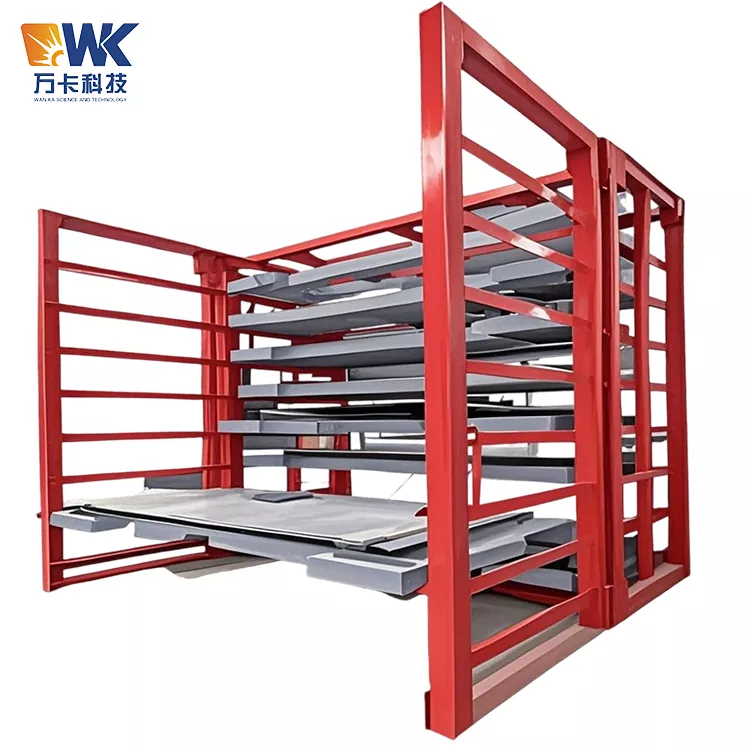
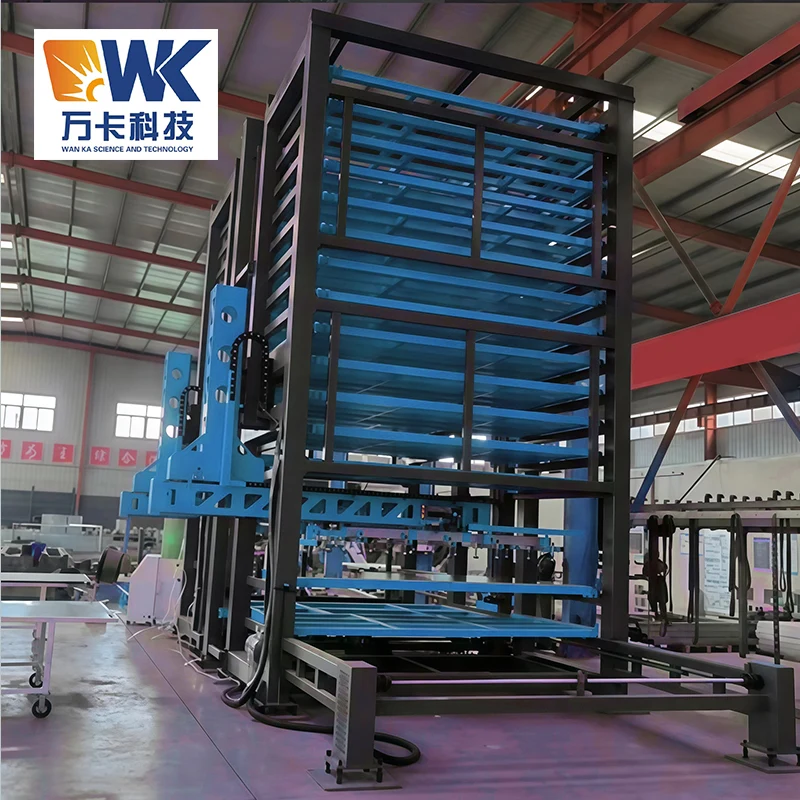
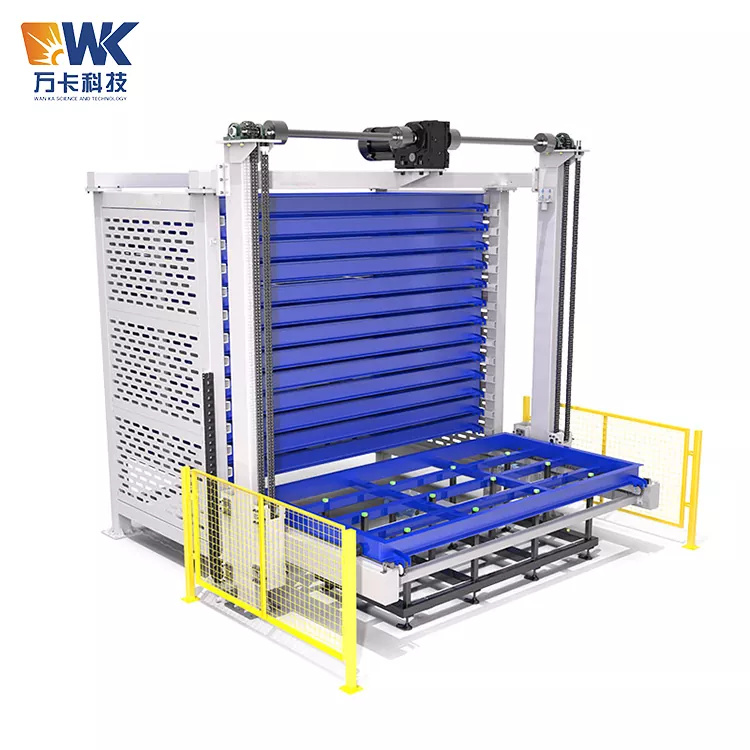
1530 Automatic Sheet Metal Storage


What Is a 1530 Automatic Sheet Metal Storage System?

A 1530 Automatic Sheet Metal Storage system is designed to organize, store, and retrieve sheet metal materials through a more structured and automated handling process. In industrial storage applications, the term "1530" may refer to a particular equipment model, dimensional specification, or product configuration. Buyers should confirm its exact meaning with the equipment supplier rather than assume that it represents a universal industry standard.

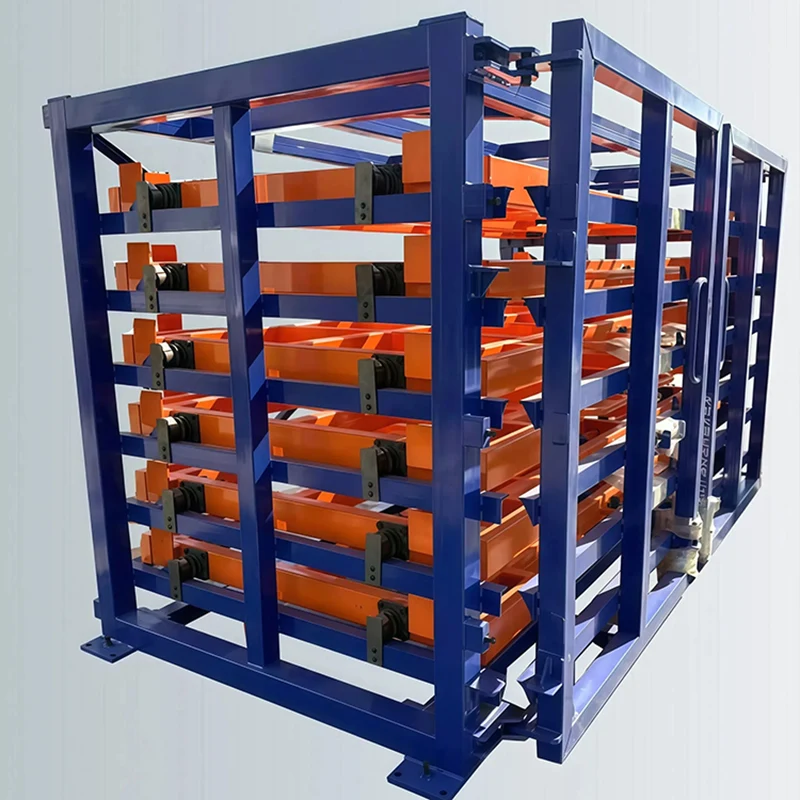
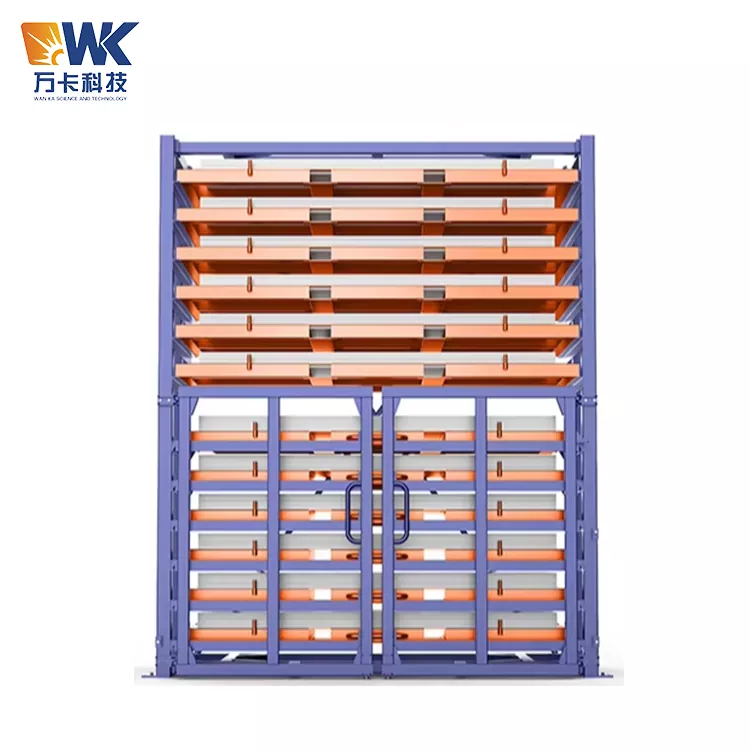
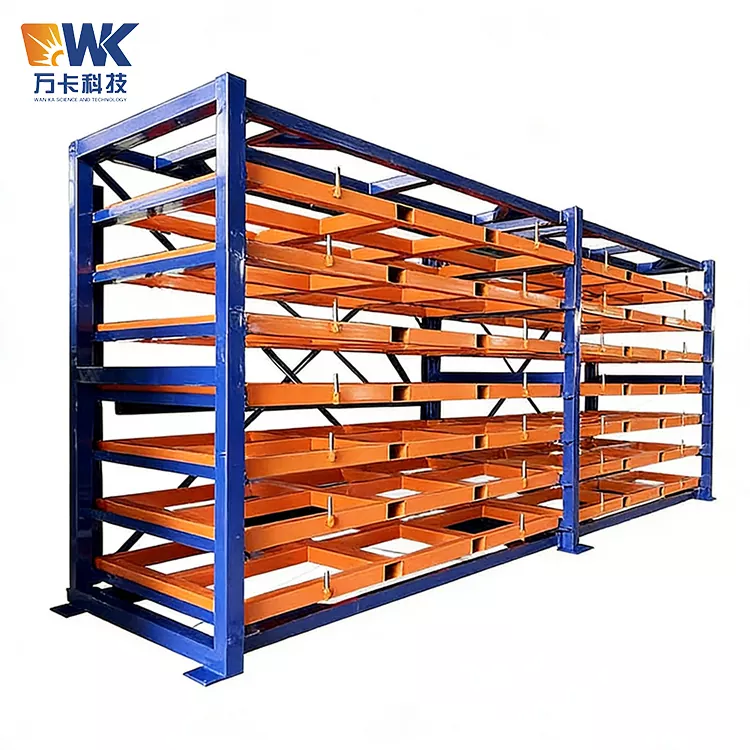
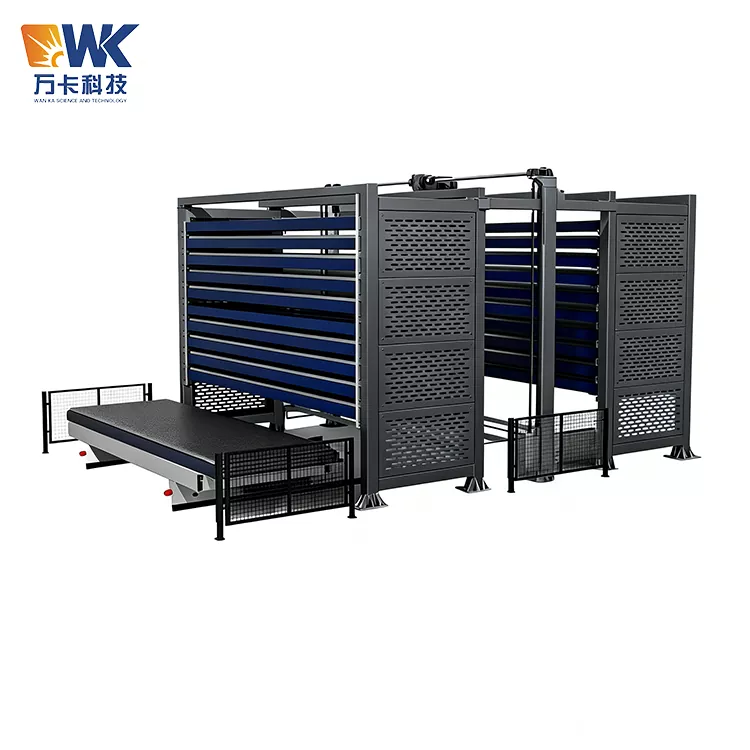
Depending on the configuration, an automatic storage solution may include a steel storage frame, material trays or drawers, a lifting or transfer mechanism, a control interface, and safety devices. The system keeps sheet materials in designated storage positions and allows operators to request the materials needed for a production task.

Unlike conventional floor stacking, which often requires workers to move or reorganize surrounding materials before reaching a particular sheet, an automated system is designed to make storage locations more systematic and retrieval more predictable.

Core Components of an Automated Storage Solution

Storage Structure

A load-bearing frame and designated storage positions help keep sheet metal organized. The structure must be suitable for the specified material dimensions and operating loads.

Automated Handling

A lifting, positioning, or transfer mechanism moves the selected storage tray or material to the required access point, depending on the equipment design.

Control Interface

An operator interface allows authorized personnel to select storage locations and manage retrieval sequences. More advanced configurations may support digital inventory integration.

Safety Protection

Appropriate guarding, interlocks, emergency stops, and access controls help reduce risks associated with moving equipment and heavy materials.

For manufacturers handling multiple sheet sizes, thicknesses, grades, or surface finishes, the main objective is not simply to store more material. It is to create a controlled material flow that supports daily production while reducing unnecessary handling.

Why Do Sheet Metal Factories Need Automated Storage?

Sheet metal is widely used in enclosures, machinery, automotive components, electrical cabinets, construction products, and industrial equipment. As production volumes and product varieties increase, managing raw materials becomes more complicated.

Traditional storage may work well for a small inventory with predictable material requirements. However, it can become less efficient when operators must handle large quantities of sheets, frequently change production orders, or work within a limited factory footprint.

Limited Floor Space

Sheet materials occupy substantial floor area when stored in horizontal piles or distributed across multiple racks. Poorly planned storage can restrict access to production machines, material transport routes, and workstations. Vertical or compact automated arrangements may help reclaim usable floor space, depending on ceiling height, layout, and equipment dimensions.

Slow Material Retrieval

When sheets are stored without clear location management, workers may need to move other materials before reaching the required sheet. This increases nonproductive handling time and can delay laser cutting, punching, bending, or other downstream processes.

Inventory Errors and Material Confusion

Different grades and thicknesses may look similar, especially when labels are missing or storage positions are changed frequently. Selecting the wrong sheet can lead to production delays, additional inspection, scrap, or rework. Defined storage locations and accurate inventory records can help reduce these risks.

Material Damage and Workplace Risks

Manual movement of large or heavy sheets requires suitable lifting equipment, trained personnel, and adequate working space. Uncontrolled stacking and repeated handling can also increase the risk of scratches, deformation, edge damage, or workplace incidents.

Practical takeaway: Before investing in an automated storage system, document the current problems. Measure retrieval time, storage footprint, handling frequency, inventory discrepancies, and production delays. These baseline figures make it easier to determine whether automation will deliver meaningful operational improvements.

How Does the System Work?

The operating process varies by manufacturer and configuration, but a typical automated sheet metal storage workflow follows several stages. Understanding these stages helps buyers evaluate whether the equipment matches their existing production procedures.

Step 1: Material Identification and Storage

Incoming sheets are checked against receiving records, including material type, dimensions, thickness, quantity, and other relevant specifications. Each batch is assigned a suitable storage position according to the system's capacity and operating rules.

Step 2: Storage Location Registration

The operator or connected inventory system records where the material is stored. Depending on the available software, the record may include batch numbers, material grades, supplier details, or production order references.

Step 3: Retrieval Request

When production requires a specific sheet, an authorized operator selects the corresponding material or storage location through the control interface. The system then initiates the retrieval sequence according to its programmed logic.

Step 4: Automated Positioning and Access

The relevant tray or storage unit moves to the designated access point. The operator retrieves the required material using the approved handling procedure. Some configurations may integrate additional loading or unloading equipment, but this capability should be confirmed for the specific model.

Step 5: Inventory Update and Return

After retrieval or replenishment, the inventory record is updated according to the system's software and operating procedure. Maintaining accurate records is essential for preventing location errors and ensuring that the next production order can access the correct material.

Automation does not eliminate the need for proper inventory discipline. Its value depends on the combination of reliable equipment, clear operating procedures, accurate data, and appropriate employee training.

Key Benefits for Manufacturing Operations

1. Better Use of Available Space

Compact storage arrangements can reduce the need to spread sheet metal across the factory floor. By organizing materials in designated positions, manufacturers may free up space for production equipment, inspection areas, work-in-progress, or internal logistics. Actual space savings depend on the original layout and the selected storage configuration.

2. More Predictable Material Access

Clearly defined storage locations and controlled retrieval sequences can reduce the time spent searching for materials. This is particularly useful in facilities that process many production orders or change material specifications throughout the day.

3. Reduced Unnecessary Handling

When the required sheet can be accessed through a structured retrieval process, workers may need to perform fewer movements to reach it. Reducing unnecessary handling can help lower the likelihood of surface damage and improve material flow between storage and processing areas.

4. Improved Inventory Visibility

Where supported by the control software, digital location records can help operators identify material availability and storage positions more quickly. Integration with a manufacturing execution system or enterprise resource planning platform may provide additional visibility, but the supported interfaces and integration scope must be verified before purchase.

5. More Organized and Safer Workflows

Defined access points, storage rules, and operating procedures can make the workplace easier to manage. Automated movement can reduce certain manual handling tasks, although workers must still follow load limits, guarding requirements, lifting procedures, and equipment-specific safety instructions.

6. Support for Production Planning

When storage locations and material records are accurate, production planners can coordinate incoming stock, cutting schedules, and material replenishment more effectively. This can be especially valuable for manufacturers that handle small-batch orders, customized products, or frequent material changes.

Automatic Storage vs. Traditional Storage

Automated storage is not necessarily the best solution for every workshop. A fair comparison should consider storage volume, material turnover, floor space, labor availability, safety requirements, and the cost of equipment ownership.

Evaluation Factor Traditional Storage Automatic Sheet Metal Storage
Initial investment Generally lower for basic racks and floor storage Higher due to mechanical systems, controls, and installation
Space utilization Depends heavily on manual layout and stacking arrangements May improve space utilization through organized, compact storage
Material retrieval May require manual searching and repositioning Can provide more systematic retrieval through controlled positioning
Inventory management Often relies on labels, spreadsheets, or manual records May support digital location tracking and software integration
Maintenance Usually simpler, depending on the rack design Requires inspection of mechanical, electrical, and control components
Operational suitability Suitable for simpler storage needs and limited material movement Often worth evaluating for higher volumes, frequent retrieval, or space constraints

The most suitable option is the one that solves a measurable operational problem without introducing unnecessary complexity. Some factories may benefit from a phased approach, retaining conventional racks for slow-moving materials while automating storage for frequently used sheet metal.

Which Industries Can Benefit from This Solution?

Automated sheet metal storage can support different manufacturing environments where sheet materials need to be organized, retrieved, and transferred to production efficiently.

Laser Cutting and Sheet Metal Fabrication

Fabrication workshops often process sheets of different thicknesses, grades, and dimensions. Organized storage can help operators prepare materials for cutting jobs and reduce delays caused by searching for the correct stock.

Electrical Cabinets and Enclosure Manufacturing

Electrical enclosure producers may manage a variety of sheet specifications for cabinets, panels, doors, and structural components. A systematic storage process helps keep materials identifiable and accessible as production orders change.

Automotive and Machinery Manufacturing

Manufacturers serving automotive, agricultural machinery, and industrial equipment markets may need consistent material handling across recurring and customized production orders. Storage automation can support more orderly material supply to fabrication processes.

Metal Furniture and Construction Components

Producers of metal furniture, building panels, frames, and other formed components may benefit from structured storage when floor space is limited or when a wide range of sheet materials must be kept separate.

Multi-Product Manufacturing Facilities

Facilities with several processing lines may use automated storage as part of a broader internal logistics strategy. Before connecting multiple production areas, however, buyers should confirm material transfer distances, equipment compatibility, access requirements, and the expected throughput of the complete workflow.

How to Select the Right Storage Configuration

Choosing a 1530 Automatic Sheet Metal Storage solution requires more than comparing equipment prices. Buyers should define the materials to be stored, establish actual production requirements, and verify the supplier's technical specifications before placing an order.

1. Confirm Sheet Dimensions and Thickness

Prepare a list of the maximum and typical sheet dimensions, thickness ranges, and material types. Confirm that the proposed equipment accommodates the actual sheet formats, including any special requirements for coated, polished, or otherwise sensitive surfaces.

2. Verify Load Capacity

Ask for the rated capacity of each storage tray or position, the total system load, and any restrictions on load distribution. The supplier should also clarify whether the stated capacity applies to evenly distributed loads or specific loading conditions.

3. Measure the Installation Area

Record the available floor dimensions, ceiling height, floor condition, column positions, and nearby equipment. Include the space needed for operator access, loading, unloading, maintenance, and emergency movement. A compact footprint should not compromise safe operation or service access.

4. Estimate Retrieval Frequency

Document the number of retrievals per shift, peak-hour demand, typical batch sizes, and expected production growth. These figures help determine whether the system's access speed and storage capacity can support the intended workflow.

5. Check Software and Integration Requirements

If the factory uses ERP, MES, barcode, or other inventory software, identify the information that must be exchanged. Ask the supplier which interfaces are supported, whether integration requires additional software or hardware, and how inventory discrepancies are handled.

6. Review Safety and Compliance Documentation

Request relevant technical documentation, operating instructions, rated load information, risk-control measures, and applicable conformity documents. Requirements vary by destination market, installation type, and equipment design, so compliance should be verified for the actual project.

7. Evaluate Supplier Support

Confirm installation responsibilities, commissioning procedures, operator training, warranty terms, spare-part availability, and remote or on-site service options. A clearly defined support arrangement is important when the equipment becomes part of a critical production workflow.

Buyer checklist:
  • Maximum sheet length, width, and thickness
  • Material type, weight, and surface protection requirements
  • Tray capacity and total storage capacity
  • Available installation footprint and ceiling clearance
  • Required retrieval frequency and production throughput
  • Inventory software and communication interfaces
  • Safety provisions and local compliance requirements
  • Installation, training, warranty, and after-sales support

Installation and Implementation Considerations

Even a well-designed storage system can underperform if the installation layout and production workflow are not properly planned. Manufacturers should coordinate equipment planning with production, warehouse, maintenance, and safety teams before delivery.

Prepare the Site

Confirm floor loading requirements, equipment anchoring needs, electrical supply, environmental conditions, and delivery access. Any foundation or floor reinforcement work should follow the supplier's engineering requirements and the site's applicable building standards.

Plan Material Infeed and Outfeed

Identify how incoming sheets will be loaded, where retrieved materials will be staged, and how sheets will reach downstream machines. The layout should avoid unnecessary crossings between people, forklifts, and automated equipment.

Establish Inventory Rules

Define material naming conventions, location records, batch identification, and replenishment procedures. Consistent data entry is especially important when different operators share responsibility for receiving, storing, and retrieving sheets.

Train Operators and Maintenance Personnel

Training should cover normal operation, authorized access, load limits, emergency stops, abnormal conditions, and routine inspections. Maintenance staff should understand the manufacturer's servicing requirements and the procedures for safely isolating hazardous energy before maintenance.

Commission the System Before Full Production

Test representative materials and retrieval sequences before switching to normal operating volumes. Verify positioning accuracy, inventory records, safety functions, and the handoff between storage and production equipment. Record any issues and resolve them before routine operation begins.

How to Evaluate Costs and Return on Investment

The purchase price is only one part of the total cost of an automatic sheet metal storage system. A practical investment assessment should consider equipment, installation, integration, maintenance, energy consumption, operator training, and the potential financial value of operational improvements.

Calculate the Potential Annual Benefits

Depending on the operation, measurable benefits may include reduced material retrieval time, fewer handling-related damage incidents, improved use of existing floor space, and reduced production interruptions. Avoid counting the same benefit twice, and use actual operating data wherever possible.

For example, estimated annual labor savings can be calculated using the following formula:

Annual labor time saved
= Retrievals per day × Time saved per retrieval × Operating days per year

Convert the result into labor cost savings only when the time reduction translates into a measurable economic benefit, such as reduced overtime, avoided additional staffing, or productive redeployment of employees.

A simple payback estimate can then be calculated as follows:

Estimated payback period
= Total initial investment ÷ Estimated annual net benefit

Annual net benefit should account for relevant recurring costs, including maintenance, energy, software fees, and other additional operating expenses.

Illustrative Example

Suppose a factory estimates that a storage upgrade will require an initial investment of $80,000 and deliver $25,000 in annual net benefits. The simple payback estimate would be 3.2 years. These figures are illustrative only, not a quotation or a forecast for any specific 1530 model. Actual results depend on equipment pricing, utilization, labor costs, and the factory's operating conditions.

Decision-makers should also consider non-financial factors such as workplace organization, production resilience, material traceability, and the ability to accommodate future changes in product mix.

Maintenance, Safety, and Daily Operation

Reliable performance depends on operating the equipment within its specified limits and following a preventive maintenance plan. Maintenance intervals should be based on the manufacturer's instructions, operating hours, environmental conditions, and actual equipment usage.

Daily or Shift-Based Checks

  • Inspect the storage and access areas for obstructions or material left in unsafe positions.
  • Check for visible damage, unusual noise, or other abnormal operating conditions.
  • Verify that material is loaded within the specified capacity and positioned correctly.
  • Confirm that safety devices and operating controls are functioning according to the prescribed checks.

Periodic Preventive Maintenance

  • Inspect mechanical components, guides, lifting elements, and moving assemblies as specified by the manufacturer.
  • Check electrical connections, sensors, control components, and safety interlocks.
  • Lubricate designated components and replace worn parts according to the approved maintenance schedule.
  • Review alarms, maintenance records, and recurring faults to identify potential problems early.

Maintain Safe Working Practices

Never exceed rated loads or bypass protective devices to speed up material retrieval. Keep personnel clear of moving equipment and use appropriate lifting tools for sheets that require mechanical assistance. Maintenance and fault recovery should be performed only by trained, authorized personnel following the manufacturer's safety procedures and applicable workplace rules.

These practices help protect workers, reduce avoidable interruptions, and support consistent equipment performance over its service life.
Frequently Asked Questions

1. What does 1530 mean in 1530 Automatic Sheet Metal Storage?

The designation may identify a particular model, size, or equipment configuration. Its precise meaning depends on the manufacturer's product specifications. Buyers should confirm the usable sheet dimensions, rated load, and model definition directly with the supplier.

2. What materials can an automatic sheet metal storage system handle?

Depending on the design and load rating, such systems may handle different sheet metal materials, including steel, stainless steel, and aluminum. Compatibility with coated, polished, or other sensitive surfaces should be confirmed before purchase.

3. Can automated storage reduce factory floor-space requirements?

It may reduce the footprint required for material storage by using a more compact arrangement. The actual savings depend on the existing storage method, equipment dimensions, building height, access clearances, and material handling workflow.

4. Can the system connect to ERP or MES software?

Some configurations support integration with enterprise resource planning, manufacturing execution, barcode, or inventory systems. Compatibility, available communication interfaces, software licensing, and integration costs should be confirmed with the supplier.

5. Is automatic sheet metal storage suitable for small factories?

It can be suitable when a smaller factory has significant space constraints, frequent material retrieval, or strict material organization requirements. However, the investment should be compared with simpler storage alternatives using realistic workload and cost data.

6. How should buyers determine the required storage capacity?

Review current inventory levels, maximum sheet dimensions, sheet weight, material variety, peak production demand, and expected growth. The design should also allow sufficient space for safe loading, unloading, and maintenance.

7. What information should be provided when requesting a quotation?

Provide sheet dimensions, thickness ranges, material types, maximum and typical loads, target storage capacity, daily retrieval frequency, available installation space, and software integration requirements. Layout drawings and photographs of the intended installation area can also help the supplier assess feasibility.

8. How long does installation take?

The timeline depends on equipment complexity, manufacturing lead time, site preparation, delivery arrangements, electrical work, software integration, and commissioning requirements. Request a project-specific schedule that separates equipment production, installation, testing, and operator training.

9. What maintenance does an automatic storage system require?

Maintenance typically includes inspections of mechanical assemblies, electrical systems, sensors, controls, and safety devices. Exact intervals and procedures must follow the manufacturer's documentation and the operating conditions of the installation.

Plan Your Sheet Metal Storage Project

Improving sheet metal storage requires a solution that matches the actual dimensions, material loads, production rhythm, and available space of your facility. A carefully selected automatic storage system can help establish more organized material handling, improve retrieval consistency, and support a more efficient manufacturing workflow.

Wanka Storage Co., Ltd. can be your starting point when evaluating storage equipment for sheet metal handling and factory organization. Before selecting a configuration, prepare your material specifications, estimated storage volume, site layout, and integration requirements so the proposed solution can be assessed against your operational needs.

Looking for a suitable 1530 Automatic Sheet Metal Storage solution for your factory? Contact us to discuss your application, clarify equipment specifications, and explore a storage configuration tailored to your material handling requirements.

Related News
Leave me a message
X
We use cookies to offer you a better browsing experience, analyze site traffic and personalize content. By using this site, you agree to our use of cookies. Privacy Policy
RejectAccept