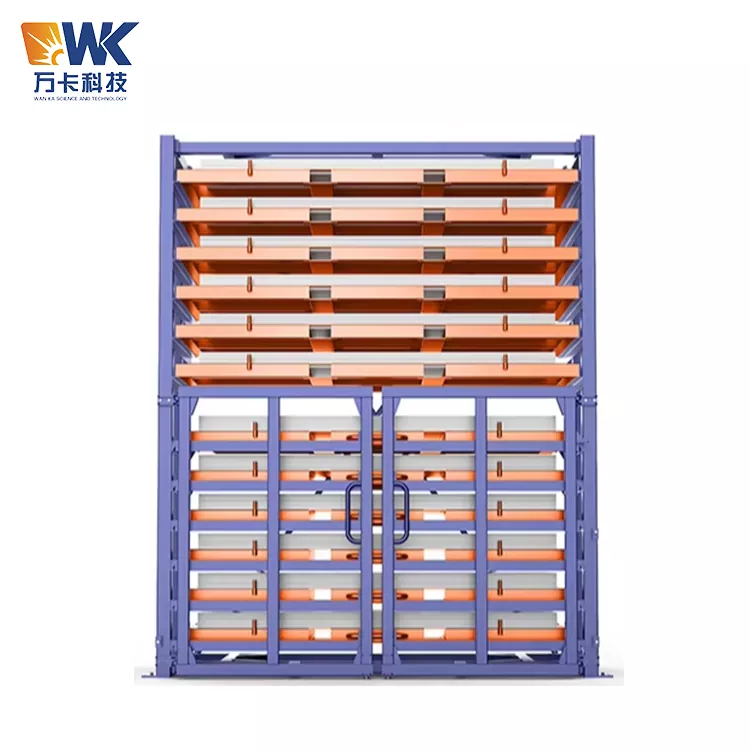
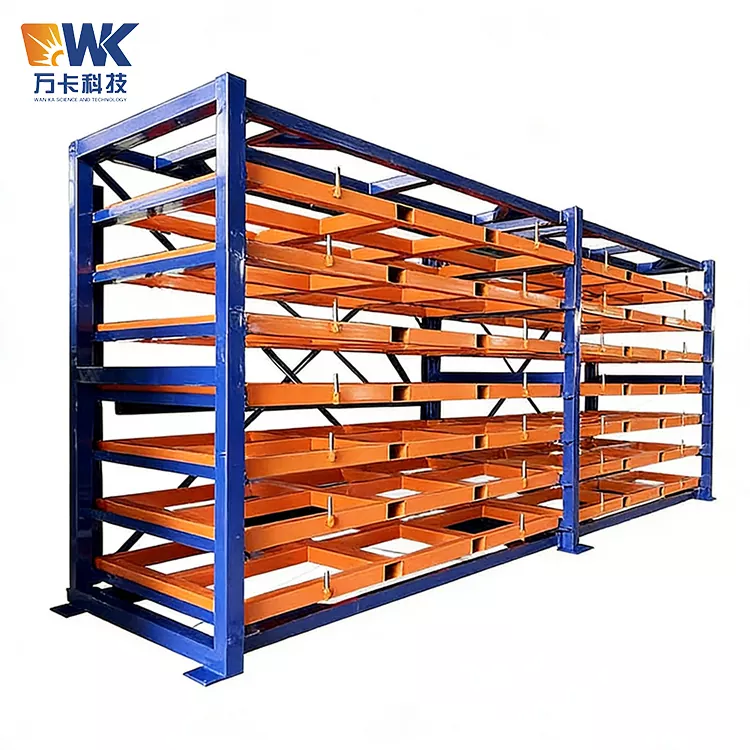
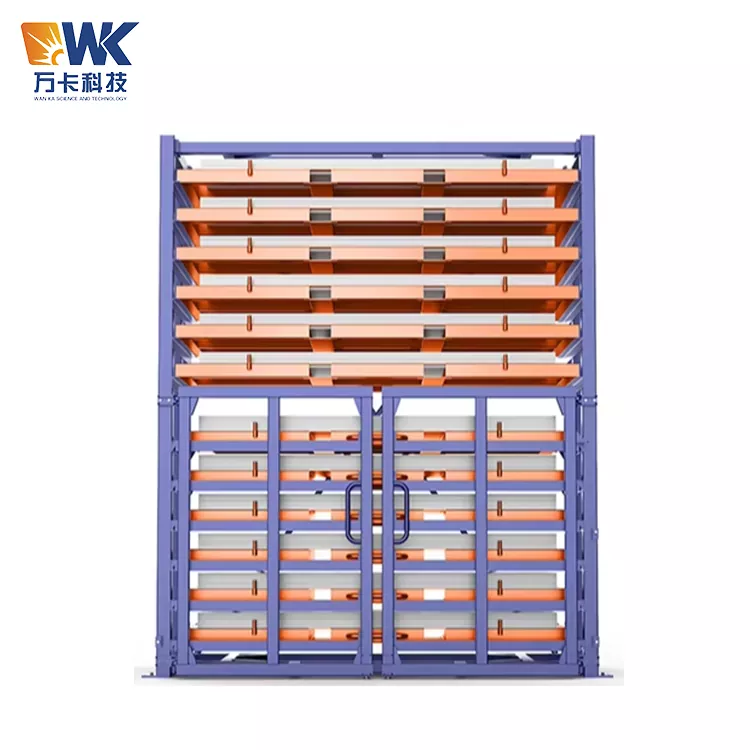
Efficient warehouse storage is not simply about adding more racks. The real challenge is creating a storage system that can handle demanding loads, improve product accessibility, support safe forklift operation, and make better use of valuable floor space. A 1560 Heavy Duty Pull Out Forklift Rack is designed around these practical requirements. By combining heavy-load capacity with pull-out accessibility, this type of rack can help warehouses organize long, bulky, heavy, or frequently handled materials more efficiently. This guide explains how the rack works, where it provides the most value, what buyers should consider before purchasing, and how proper use can contribute to a safer and more productive material-handling environment.
- 1. Why Modern Warehouses Need Smarter Heavy-Duty Storage
- 2. What Is a 1560 Heavy Duty Pull Out Forklift Rack?
- 3. How the Pull-Out Design Works
- 4. Key Benefits for Warehouse Operations
- 5. Where This Rack Works Best
- 6. Heavy-Duty Rack vs. Conventional Fixed Storage
- 7. What to Check Before Ordering
- 8. Safety and Maintenance Considerations
- 9. A Practical Buying Checklist
- 10. Frequently Asked Questions
- 11. Improve Your Warehouse Storage Strategy
1. Why Modern Warehouses Need Smarter Heavy-Duty Storage
Warehouses dealing with steel components, machinery parts, molds, profiles, pipes, tools, dies, automotive components, and other heavy products often face a familiar problem: the products are too heavy or awkward to handle efficiently with ordinary shelving.
Traditional fixed racks can provide basic organization, but accessibility may become difficult when goods are stored deep inside a rack. Operators may need to move other products before reaching the required item. This increases handling time and can create unnecessary forklift movements.
A pull-out storage concept addresses this problem by allowing the storage platform or drawer to move outward. Instead of asking operators to reach deep into the rack, the stored load can be brought closer to the working aisle. This simple change can make a substantial difference when heavy materials are picked regularly.
2. What Is a 1560 Heavy Duty Pull Out Forklift Rack?
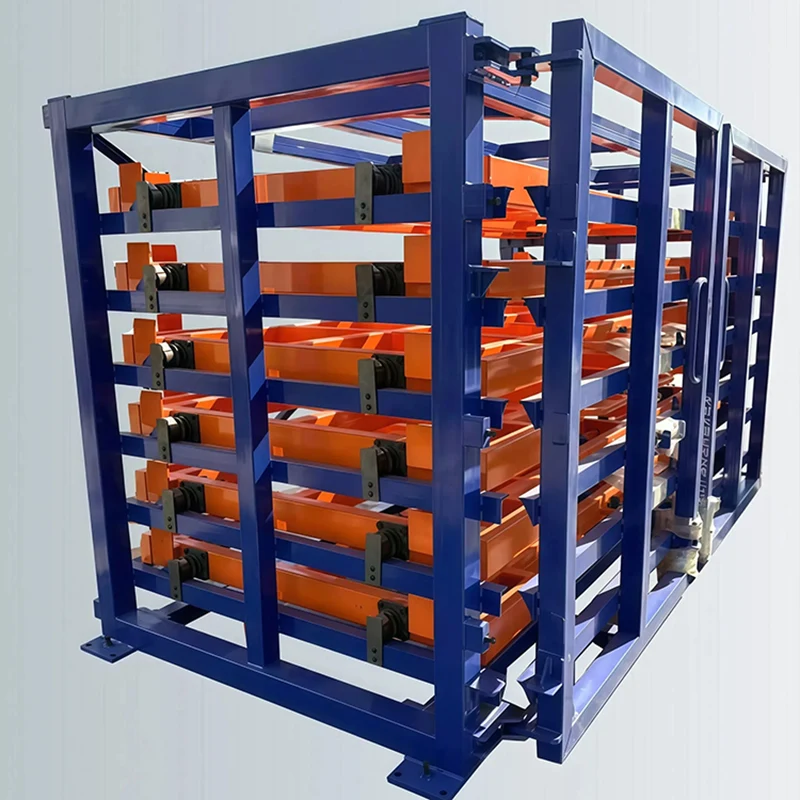
A 1560 Heavy Duty Pull Out Forklift Rack is a heavy-load storage solution designed to combine robust rack construction with pull-out functionality and forklift-oriented material handling. The exact dimensions, load rating, drawer configuration, steel specifications, surface treatment, and accessories can vary according to the manufacturer's engineering and the customer's application.
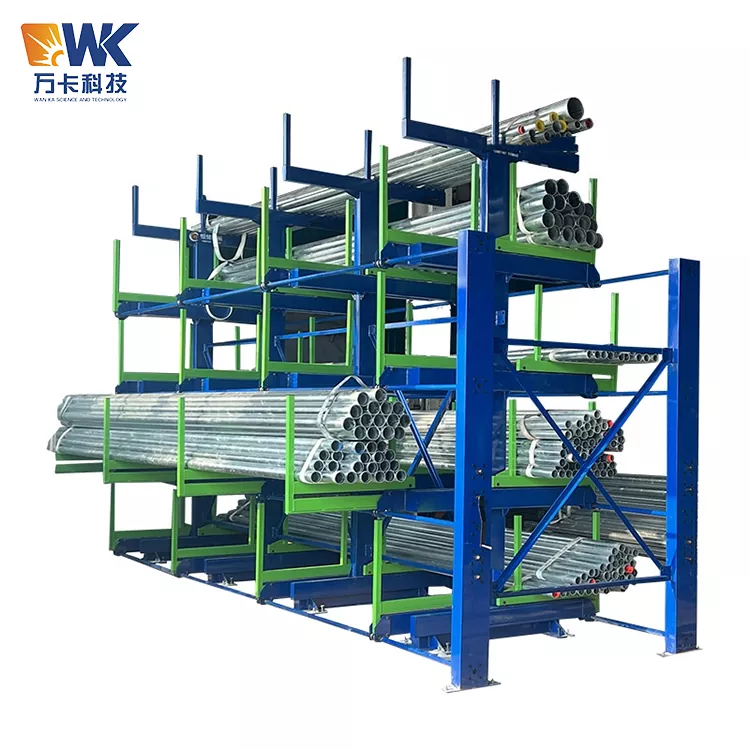
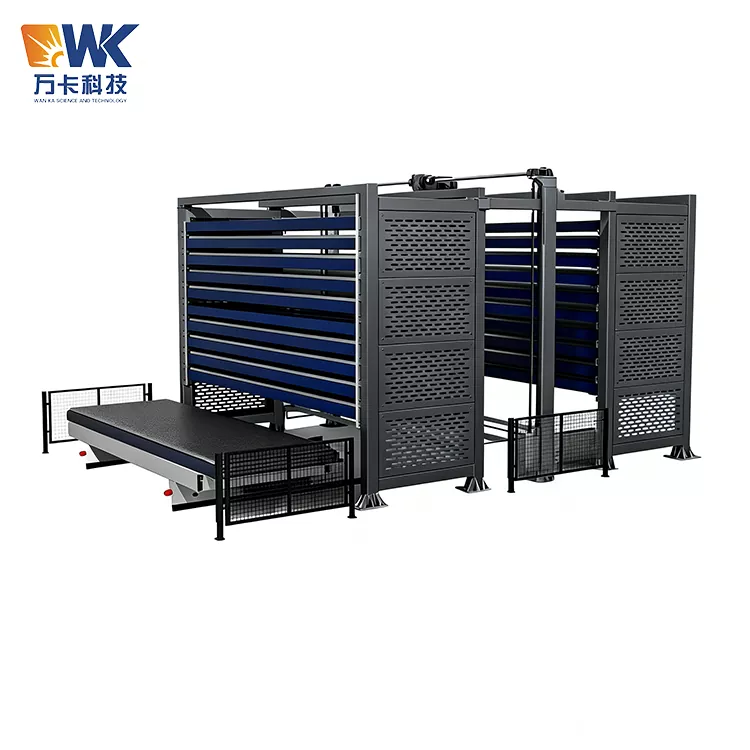
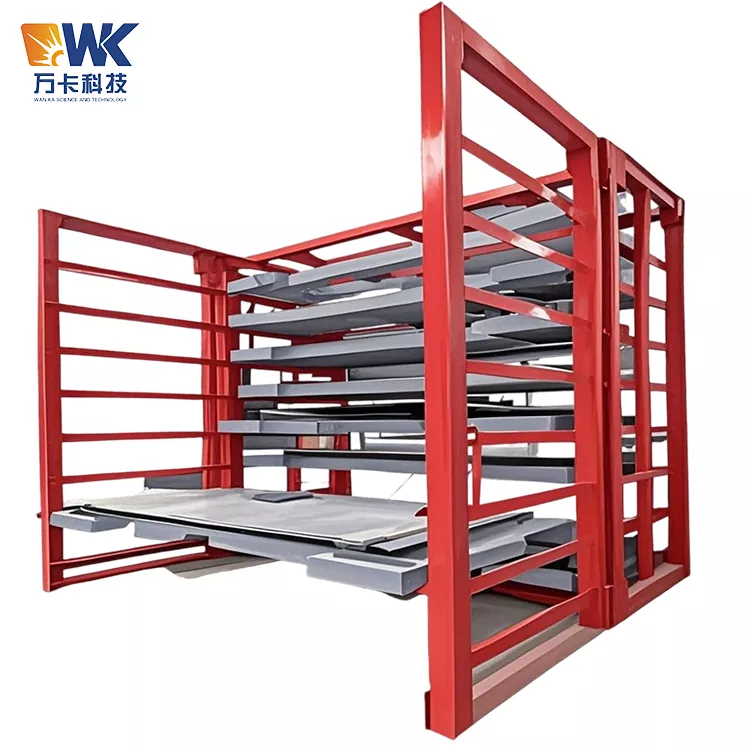
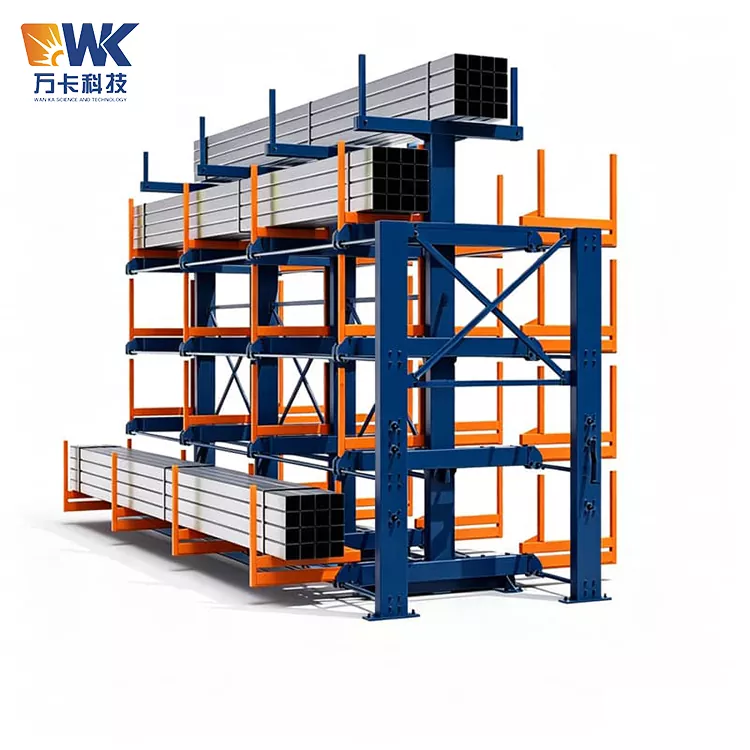
The defining feature is the pull-out storage mechanism. A load-bearing platform can extend toward the operator, providing improved access to materials that would otherwise be positioned deep within a conventional rack.
For industrial buyers, the important point is that the number "1560" should not be treated as a universal specification by itself. Before ordering, buyers should confirm the manufacturer's exact dimensions and engineering parameters, particularly maximum load capacity, usable drawer dimensions, extension distance, rack height, and compatible handling equipment.
| Feature | Why It Matters |
|---|---|
| Heavy-duty structure | Supports demanding industrial storage applications and repeated handling. |
| Pull-out platform | Brings stored goods closer to the aisle for easier access. |
| Forklift compatibility | Supports efficient loading and unloading when correctly configured. |
| Modular storage layout | Helps organize different categories of heavy products within a defined footprint. |
| Industrial construction | Designed for environments where durability and repeated operation are important. |
3. How the Pull-Out Design Works
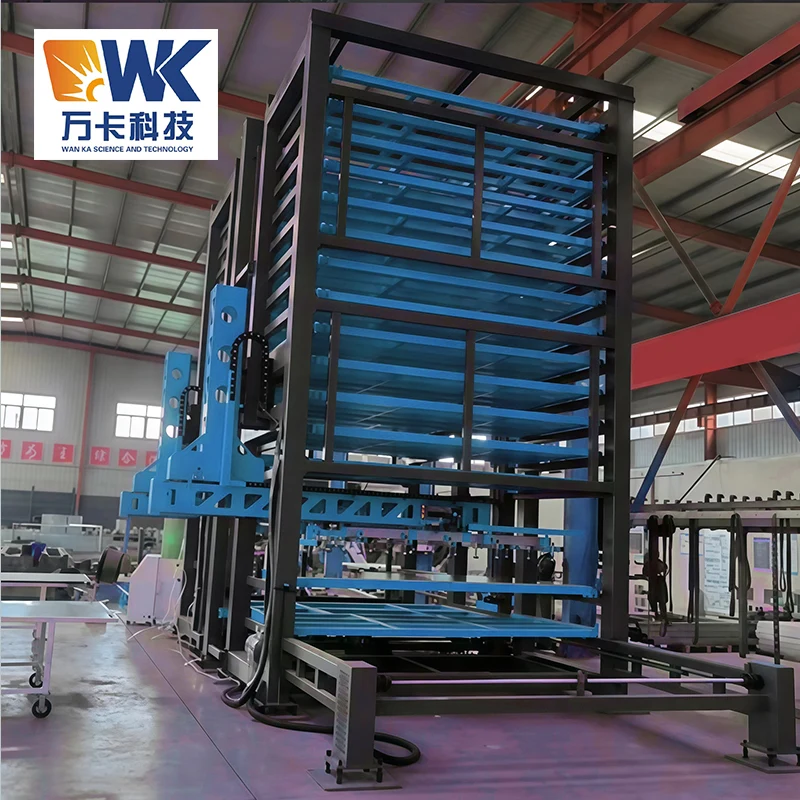
The operating principle is straightforward. Products are positioned on a load-bearing storage platform. When access is required, the platform is pulled outward according to the rack's engineered operating method. The load becomes more accessible from the aisle, allowing operators to inspect, pick, position, or remove materials without unnecessarily reaching into a deep storage bay.
In a warehouse using forklifts, the relationship between the rack, forklift, load, and aisle must be considered as one complete system. The rack should be installed on a suitable floor, operated within its rated capacity, and used according to the manufacturer's instructions.
This approach can be particularly useful when products are heavy but need individual access. It can reduce the need to unload multiple items simply to reach one product stored behind them.
4. Key Benefits for Warehouse Operations
Choosing a heavy-duty pull-out rack should be based on operational value rather than appearance alone. When correctly specified, several benefits can contribute to a more efficient warehouse.
- Improved accessibility: Pull-out platforms can make individual loads easier to reach, especially when products are heavy, bulky, or difficult to manipulate manually.
- Reduced product interference: A dedicated storage position can reduce the need to move neighboring products before accessing a specific item.
- More organized inventory: Clearly assigned storage positions can make it easier to identify product categories, sizes, batches, or production components.
- Better use of vertical space: Multi-level rack configurations can provide additional storage density without relying entirely on floor-level storage.
- Support for heavy industrial goods: Properly engineered racks can be suitable for demanding applications involving substantial loads.
- Potential productivity gains: Faster access and fewer unnecessary handling steps can contribute to smoother warehouse workflows.
However, these benefits depend on correct specification and operation. A rack should never be selected solely according to nominal dimensions. Actual load characteristics, center of gravity, frequency of use, forklift type, aisle width, floor conditions, and installation requirements should all be reviewed.
5. Where This Rack Works Best
Heavy-duty pull-out storage is especially valuable in facilities where individual heavy products must remain accessible. Typical applications can include:
- Metalworking and fabrication workshops
- Automotive parts warehouses
- Machinery and equipment storage
- Mold and die storage areas
- Steel component storage
- Industrial spare-parts warehouses
- Tool and fixture storage
- Manufacturing plants with high-value components
- Distribution centers handling heavy packaged goods
It can be particularly effective where inventory has a relatively high unit weight but does not require constant movement. The rack provides a defined location while preserving practical access when an item is needed.
6. Heavy-Duty Rack vs. Conventional Fixed Storage
A conventional fixed rack may be sufficient for lightweight cartons or products that are frequently accessed from the front. Heavy industrial products present a different challenge. Accessibility becomes increasingly important as product weight and dimensions increase.
| Consideration | Pull-Out Heavy-Duty Rack | Conventional Fixed Rack |
|---|---|---|
| Access to deep-positioned goods | Generally improved through pull-out functionality | May require more reaching or repositioning |
| Heavy product handling | Designed around substantial industrial loads when properly rated | Depends strongly on rack configuration and load rating |
| Individual product access | Strong advantage for separately stored heavy items | May be less convenient in dense arrangements |
| Space utilization | Can support structured high-density storage | Varies according to rack design and aisle requirements |
| Handling workflow | Can reduce unnecessary product movement | May require additional handling depending on layout |
The right solution ultimately depends on the material profile and warehouse workflow. Pull-out racks are not intended to replace every form of pallet or shelving system; they are most valuable when accessibility to heavy individual loads is a priority.
7. What to Check Before Ordering
Purchasing a heavy-duty storage system is an engineering decision as much as a purchasing decision. Before placing an order, buyers should provide the supplier with accurate information about their application.
- Maximum load: Determine the actual weight of the heaviest stored item, not just the average product weight.
- Load dimensions: Measure length, width, height, and any unusual shapes that could affect storage.
- Load distribution: Confirm whether the weight is evenly distributed or concentrated at specific points.
- Pull-out requirement: Determine how far the platform needs to extend for practical access.
- Forklift specifications: Confirm forklift capacity, fork dimensions, lifting height, and approach direction.
- Rack dimensions: Check overall height, width, depth, and usable storage dimensions.
- Floor conditions: Verify that the installation area can safely support the complete system and operating loads.
- Operating frequency: Consider how often each drawer or storage level will be opened and loaded.
- Surface treatment: Select a suitable coating or finish based on the warehouse environment.
A professional supplier should be able to discuss these factors and help determine whether the proposed configuration matches the intended application.
8. Safety and Maintenance Considerations
Heavy-duty storage systems require disciplined operation. The consequences of overloading a rack or using a forklift incorrectly can be serious, so warehouse procedures should be established before the equipment enters daily service.
- Keep every storage position within its specified load rating.
- Distribute loads according to the manufacturer's recommendations.
- Keep aisles clear and provide sufficient forklift operating space.
- Inspect structural members, pull-out mechanisms, locking components, and visible hardware regularly.
- Remove damaged components from service until they have been assessed.
- Train operators on the correct loading and unloading procedure.
- Prevent unauthorized modifications to structural or load-bearing components.
- Follow the supplier's installation, inspection, lubrication, and maintenance instructions where applicable.
Maintenance requirements vary by design. Mechanical components that experience repeated movement should receive appropriate inspection and servicing based on operating frequency and manufacturer guidance. Early detection of unusual movement, deformation, noise, or wear can help prevent a minor issue from becoming a larger operational problem.
9. A Practical Buying Checklist
For procurement teams, a structured checklist makes supplier comparison easier and helps prevent important technical details from being overlooked.
| Question to Confirm | Information to Request |
|---|---|
| What is the rated capacity? | Maximum safe load per drawer, level, and complete rack configuration. |
| What are the usable dimensions? | Internal storage length, width, height, and platform dimensions. |
| How does the pull-out mechanism operate? | Extension method, locking arrangement, and operating requirements. |
| Is it suitable for the intended forklift? | Recommended forklift specifications and loading approach. |
| What customization is available? | Dimensions, levels, capacity, finish, accessories, and layout options. |
| What installation information is provided? | Anchoring, floor requirements, assembly instructions, and inspection guidance. |
| What support is available? | Technical communication, spare parts, documentation, and after-sales service. |
Buyers should also ask for engineering drawings or detailed product specifications when planning a large installation. This allows the warehouse team to evaluate the rack together with the actual building layout and material-handling equipment.
10. Frequently Asked Questions
It is intended for organized storage and convenient access to heavy or bulky industrial materials. Typical uses include machinery components, metal products, tools, molds, dies, fixtures, and heavy spare parts. The exact application depends on the rack's engineered capacity and configuration.
It can. By bringing stored materials toward the aisle, a pull-out mechanism can simplify access and reduce unnecessary movement of surrounding products. Productivity improvements depend on warehouse layout, product characteristics, handling frequency, and correct equipment operation.
No. The system should be matched to the load, floor conditions, forklift specifications, aisle dimensions, storage frequency, and available space. A technical assessment should be completed before installation.
Capacity should be based on the manufacturer's engineered rating and the actual application. Buyers should consider maximum product weight, load distribution, platform dimensions, storage level, and operating conditions rather than relying on a general assumption about capacity.
Many industrial storage systems can be configured according to dimensions, load requirements, number of levels, platform arrangement, surface treatment, and workflow. Customization should be confirmed with the manufacturer based on engineering feasibility.
Operators should check the rack structure, platforms, moving components, locking mechanisms, fasteners, visible deformation, unusual wear, and other manufacturer-specified inspection points. Any damaged component should be evaluated before continued use.
A rack and forklift operate as part of the same material-handling system. Fork dimensions, rated capacity, lifting height, approach direction, and aisle clearance can affect safe loading and unloading. These details should be confirmed before purchasing.
11. Improve Your Warehouse Storage Strategy
A well-designed storage system should solve a real operational problem: difficult access, wasted floor space, excessive product movement, inefficient picking, or challenges associated with heavy loads. The 1560 Heavy Duty Pull Out Forklift Rack offers a practical approach by combining heavy-duty storage with improved access to individual loads.
For companies evaluating a new warehouse layout, replacing inefficient storage equipment, or expanding heavy-material capacity, it is important to look beyond the rack itself. The best result comes from matching rack dimensions, load capacity, pull-out performance, forklift requirements, aisle planning, floor conditions, and daily workflow into one coordinated solution.
Wanka Storage Co., Ltd. can be considered as a professional partner when evaluating heavy-duty storage solutions and warehouse organization requirements. Discussing your actual load dimensions, weight, warehouse space, handling equipment, and expected operating frequency with a qualified supplier can help you identify a configuration that is practical for your facility.
Ready to Optimize Heavy-Duty Storage?
If your warehouse needs better access to heavy materials, more organized storage positions, or a pull-out solution tailored to your workflow, contact us with your product dimensions, load requirements, warehouse layout, and forklift information. Our team can help evaluate the application and discuss a suitable heavy-duty storage configuration.
Contact us today to discuss your warehouse storage requirements and explore a practical solution for your heavy-material handling needs.
Product specifications, load capacities, dimensions, installation requirements, and operating procedures should always be confirmed with the manufacturer for the exact rack configuration. The information in this article is intended as general purchasing and planning guidance.