Which standardized heavy storage solutions resolve factory rent waste & workplace safety audit failures?
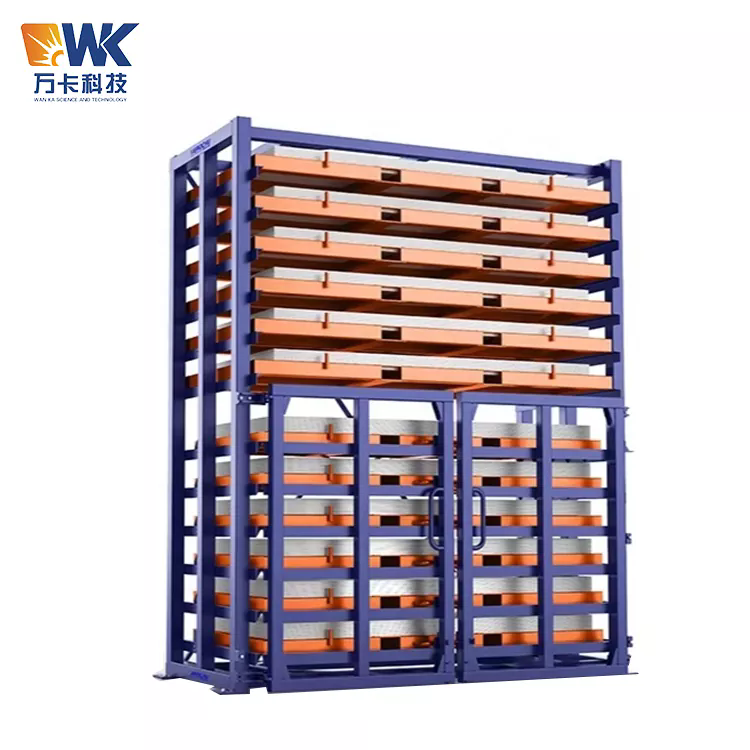
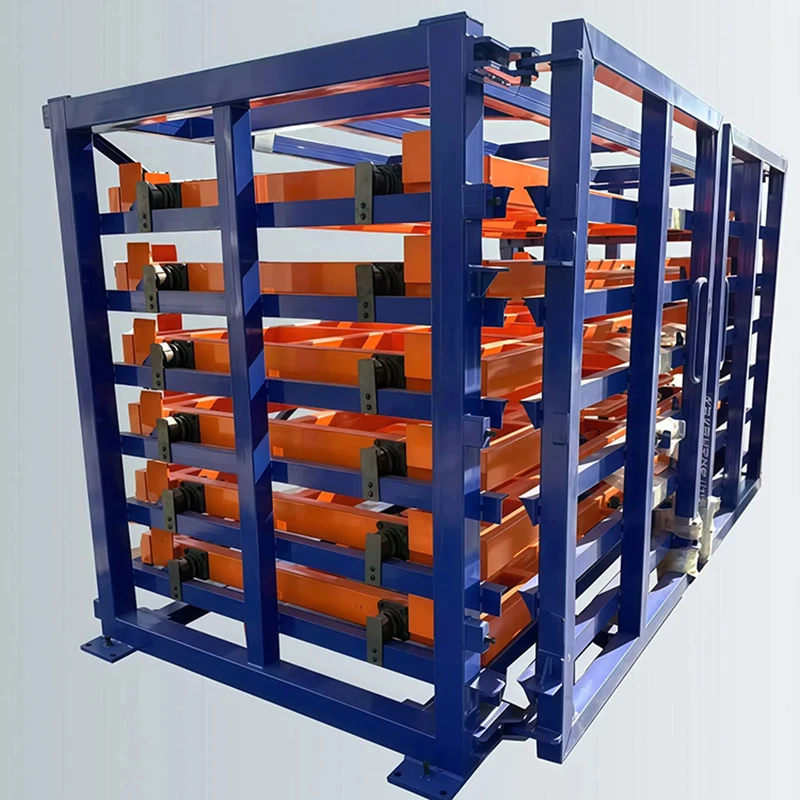
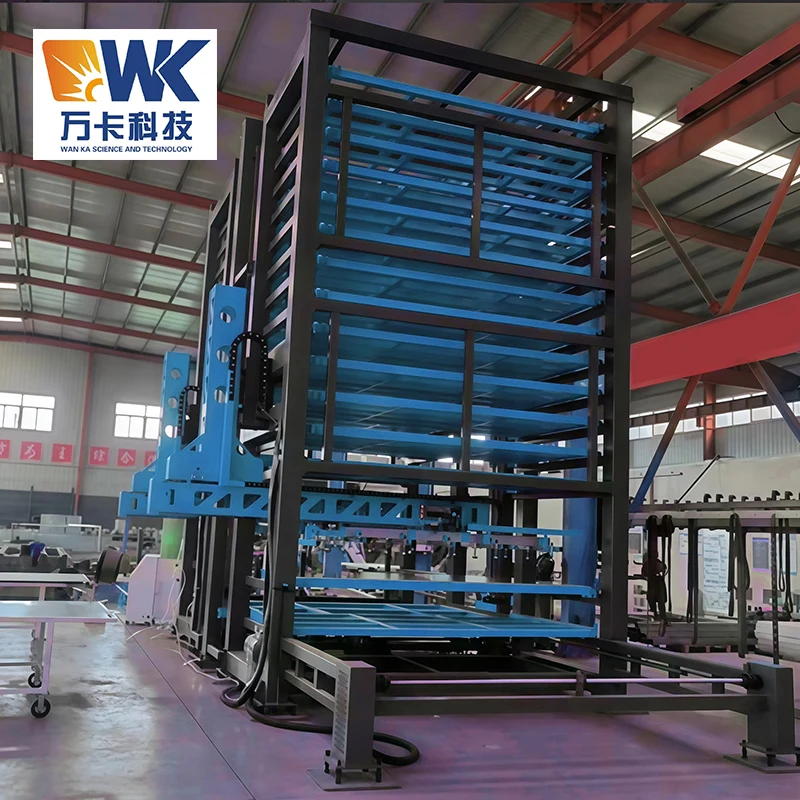
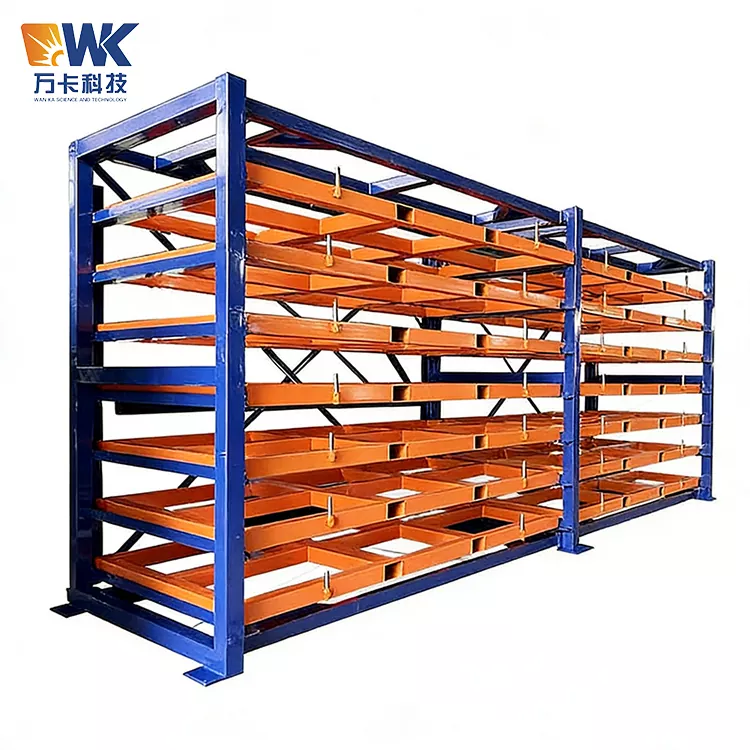
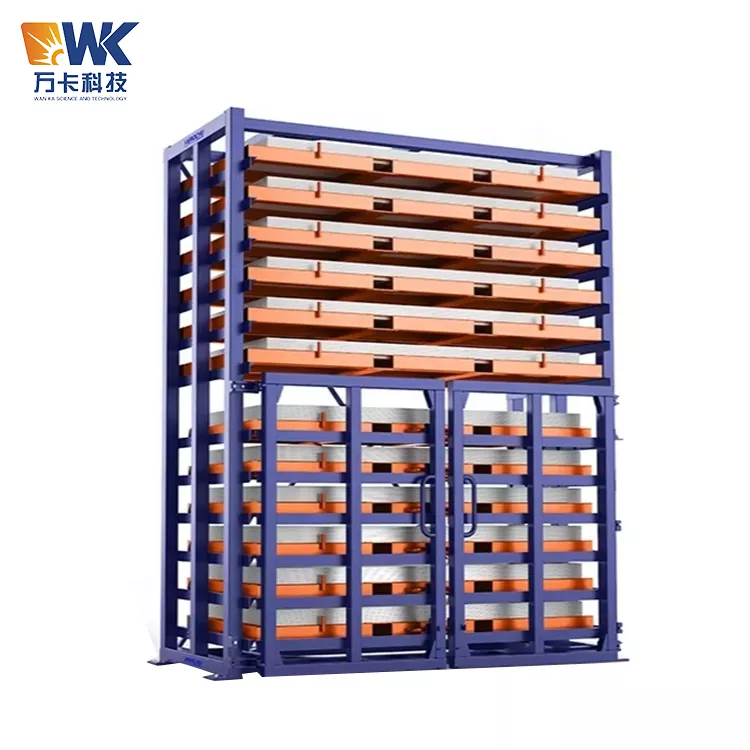
Sheet metal fabricators, mold manufacturing plants and heavy forging processing factories across Europe and Southeast Asia face two persistent warehouse operational liabilities: disorderly ground stacking of thick plates and large molds wastes high-value factory vertical space and pushes up annual rental expenditure, while unstable makeshift stacking structures fail EU-OSHA workplace safety inspections and trigger production halt penalties. Custom non-standard storage frames require long customized production cycles and lack unified load testing files, delaying factory renovation schedules. Wanka 2530 Heavy Duty Pull Out Forklift adopts fixed high-rise frame design, Q355B full heavy steel structure and multi-layer safety locking system, targeting vertical space utilization and industrial safety compliance dual demands to cut long-term factory operating costs for heavy manufacturing clients.

1. Fixed 2530mm vertical frame taps idle upper workshop space to cut rental outlay
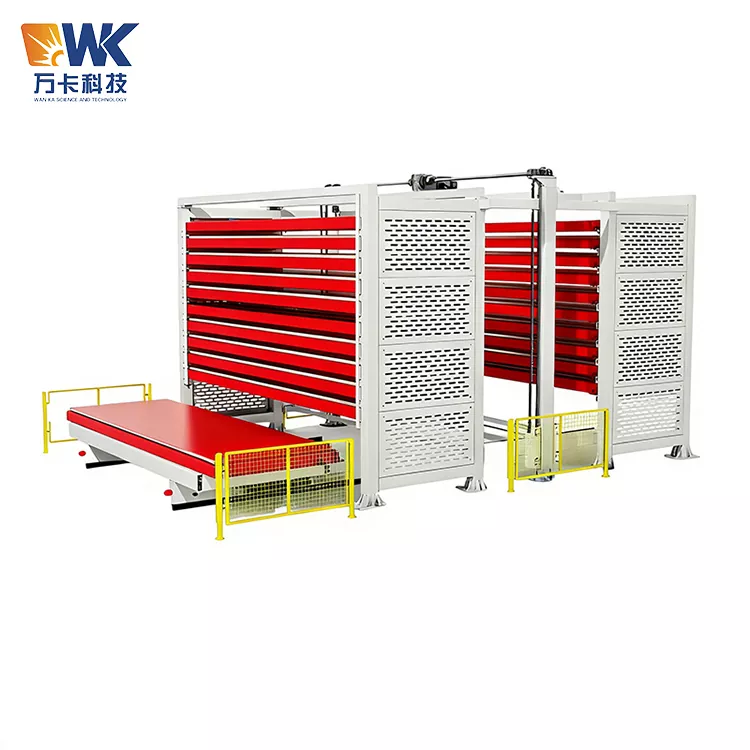
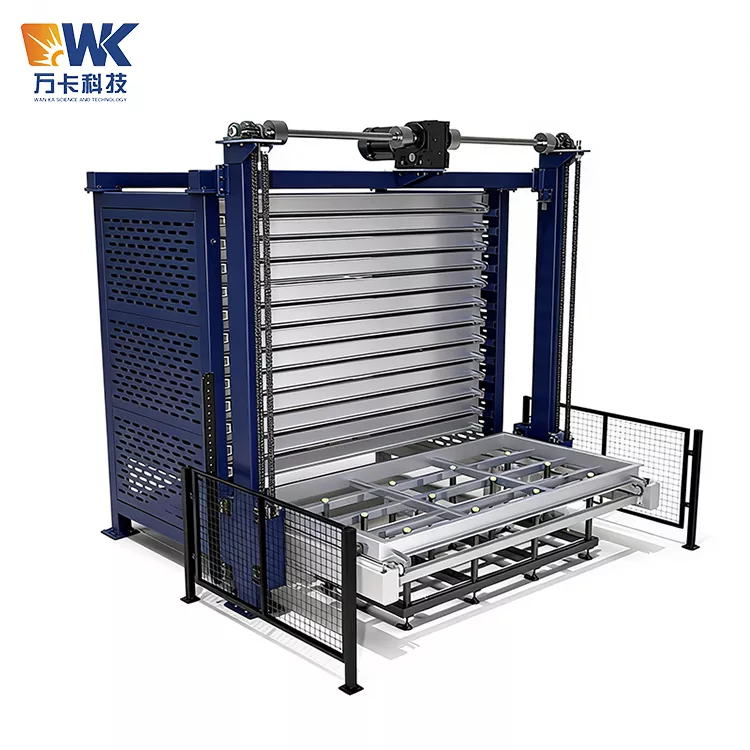
Most heavy material workshops only utilize the ground layer for stacking, leaving more than half of the indoor vertical height unused, and expanding factory floor area becomes the only solution for increased raw material inventory. This standardized rack locks 2530mm outer frame height to match mainstream industrial plant clearances, building multi-layer three-dimensional storage without extra building reconstruction. Independent pull-out drawers separate molds and steel sheets layer by layer, lifting warehouse space utilization rate from below 38% to over 75%. For industrial zones with high annual square meter rent, the recovered floor space can be transformed into new cutting or assembly stations to expand production capacity without leasing extra workshops.
2. Q355B thickened steel frame eliminates permanent deformation under long heavy load
Low-cost storage shelves use thin ordinary carbon steel as load-bearing columns; after long-term placement of multi-ton molds, frame bending and drawer sagging easily occur, triggering sudden material sliding safety accidents. The whole rack main beam and upright column adopt original Q355B high-strength structural steel without recycled mixed steel materials, with integrated folded reinforcement at all stress points. Passing 1.25 times rated load 24-hour static deformation testing, no permanent bending or weld cracking appears after years of continuous heavy storage, fundamentally removing hidden collapse risks in daily workshop operation.
3. Heat-treated full-extension slide rails raise material access efficiency for forklift workflows
Ordinary unhardened slide rails jam frequently under full load during frequent pull-out operation, requiring multiple staff to cooperate to pull heavy drawers and extending mold changeover downtime. The drawer slide assembly undergoes overall heat treatment process to improve surface hardness and wear resistance, supporting full outward extension for direct forklift tine positioning loading and unloading. Operators complete material retrieval single-handedly without moving surrounding stacked workpieces, cutting mold switching time by over 60% and reducing production line waiting downtime caused by raw material searching.
4. Dual mechanical locking system fully meets EU-OSHA heavy storage safety standards
Simplified single-lock rack structures easily slide open under forklift accidental impact or minor ground vibration, leading to heavy mold falling accidents that violate EU workplace storage safety specifications and result in audit shutdowns. Each drawer is equipped with front and rear bidirectional mechanical limit locks, automatically engaging when fully closed to avoid accidental sliding during workshop vibration or vehicle collision. Complete static load, anti-offset seismic test reports are attached per set, helping factories smoothly pass EU-OSHA and local industrial safety supervision audits without supplementary third-party testing.
5. Full six-item pre-delivery testing system guarantees cross-border project acceptance pass rate
Small shelf manufacturers only conduct simple load spot checks before delivery, lacking salt spray, weld flaw detection and reciprocating durability test records; overseas factory project acceptance will be delayed due to incomplete inspection archives. Every batch of this pull-out rack completes static deformation, drawer reciprocating wear, seismic offset, salt spray anti-corrosion, ultrasonic weld flaw and forklift impact six major test items, retaining full test data and image files. All inspection documents support overseas engineering contractor submission for factory renovation tender acceptance, avoiding delayed project payment caused by insufficient qualification materials.
6. Modular bolt assembly shortens warehouse layout adjustment cycle after production expansion
Integrated welded heavy shelves cannot be disassembled and rearranged; when product specifications expand and raw material categories increase, factories have to purchase new storage equipment and discard old frames, creating asset waste. The whole set adopts full bolted modular splicing structure without field welding construction. Users independently increase or reduce drawer layers and adjust single-unit layout according to updated material sizes, matching the iterative production rhythm of mold and sheet metal workshops and lowering repeated storage equipment procurement investment.
Related News
- What full-cycle custom rack services resolve irregular factory layout & cross-border certification bottlenecks?
- How Does the 1530 Heavy Duty Pull Out Forklift Rack Improve Warehouse Storage Efficiency?
- Electric Profile Warehouse: Intelligent Storage for Streamlined Profile Management
- Efficient, Flexible Storage for Diversified Sheet Metal Needs
- Heavy Duty Pull Out Forklift Rack: Redefine Heavy-Duty Storage Efficiency and Safety
Leave me a message