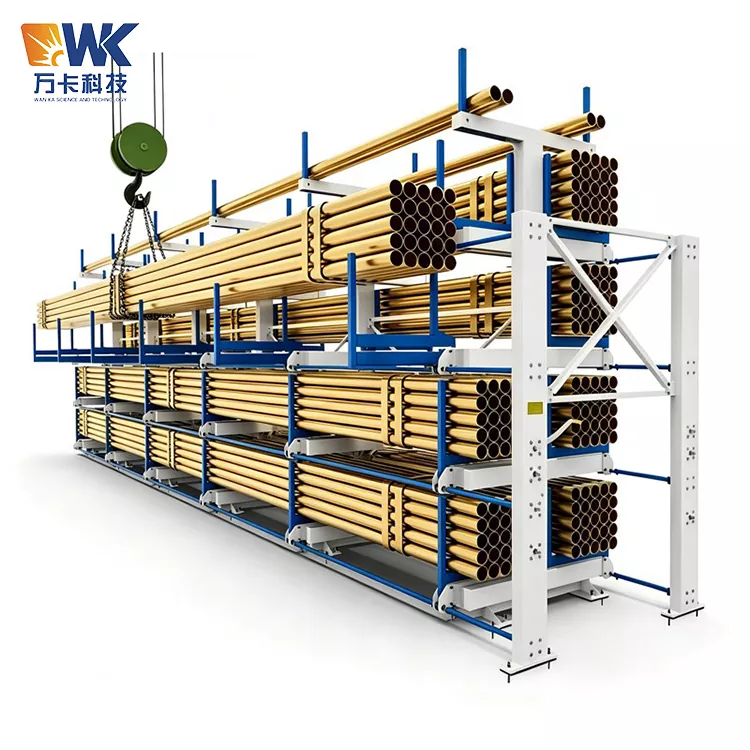
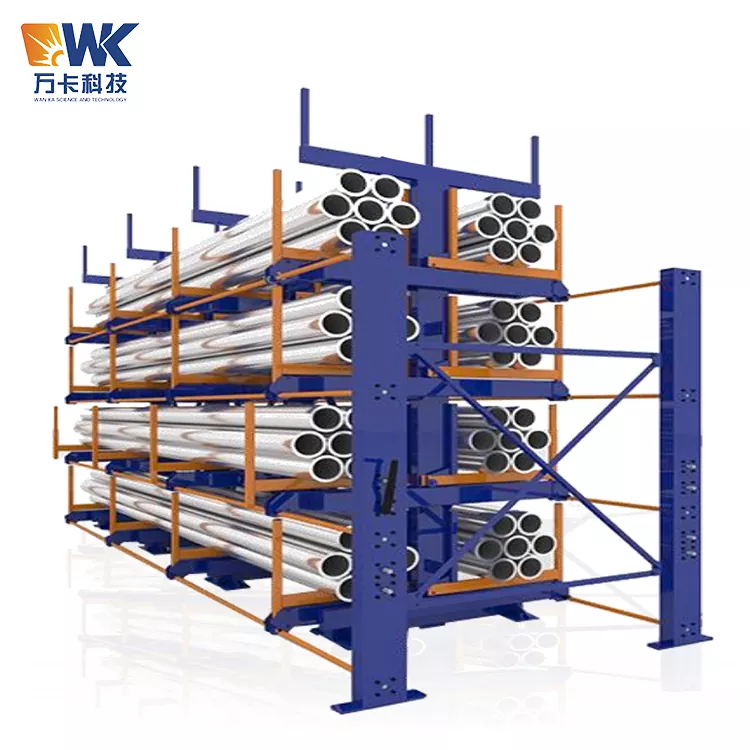
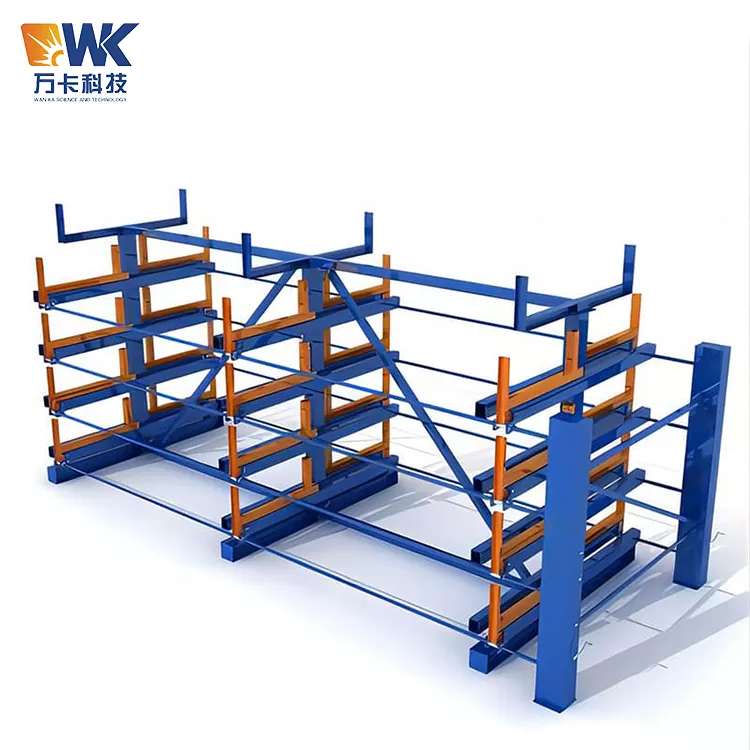
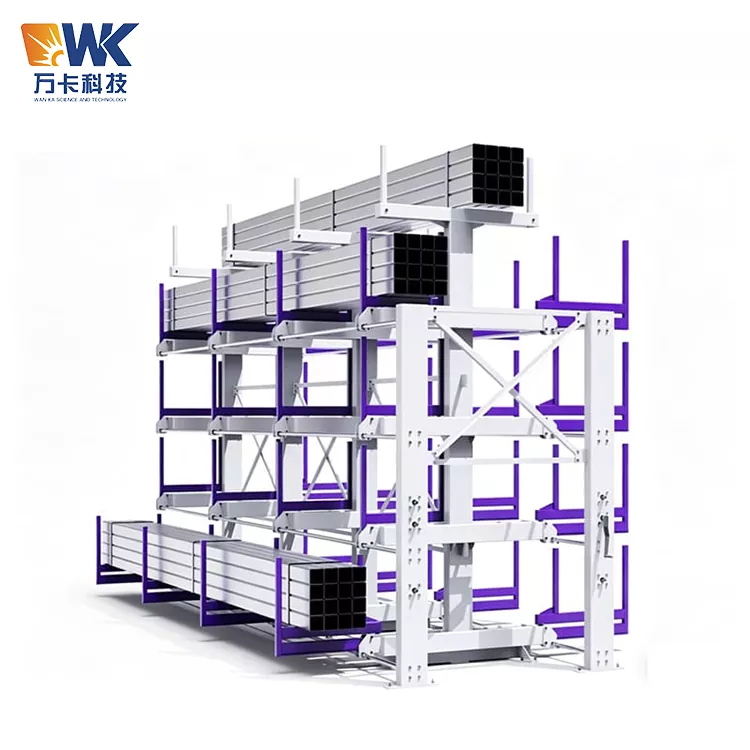
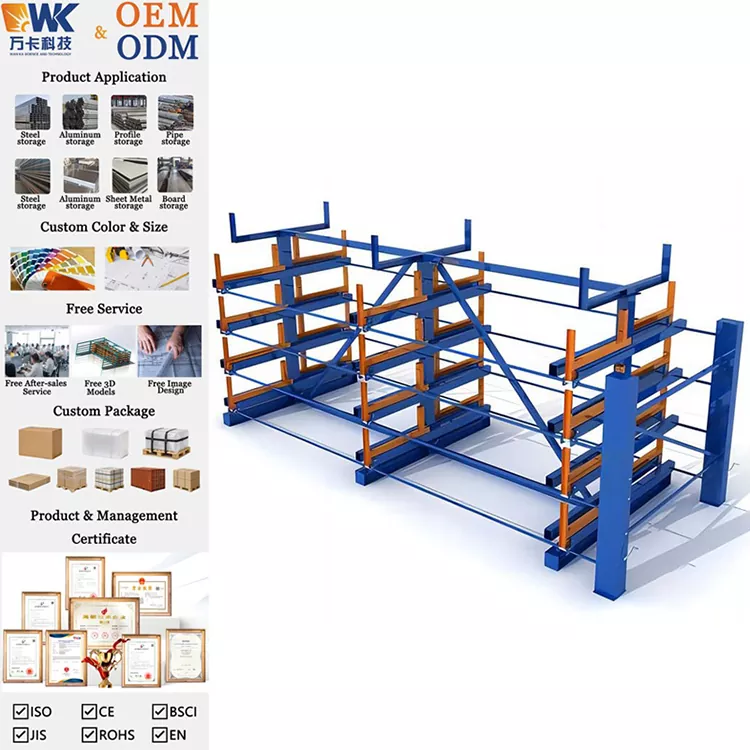
120 Manual Profile Warehouse
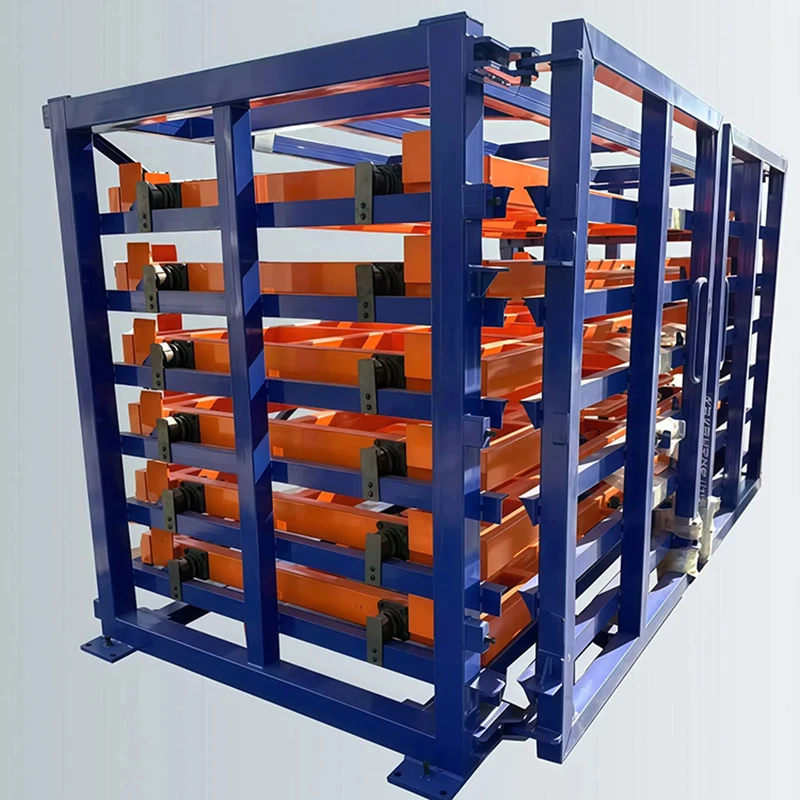
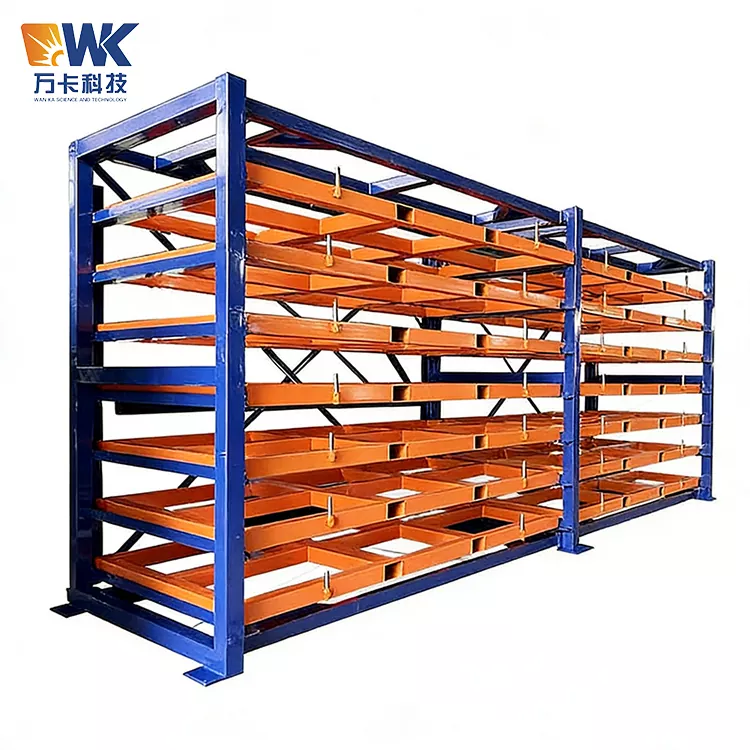
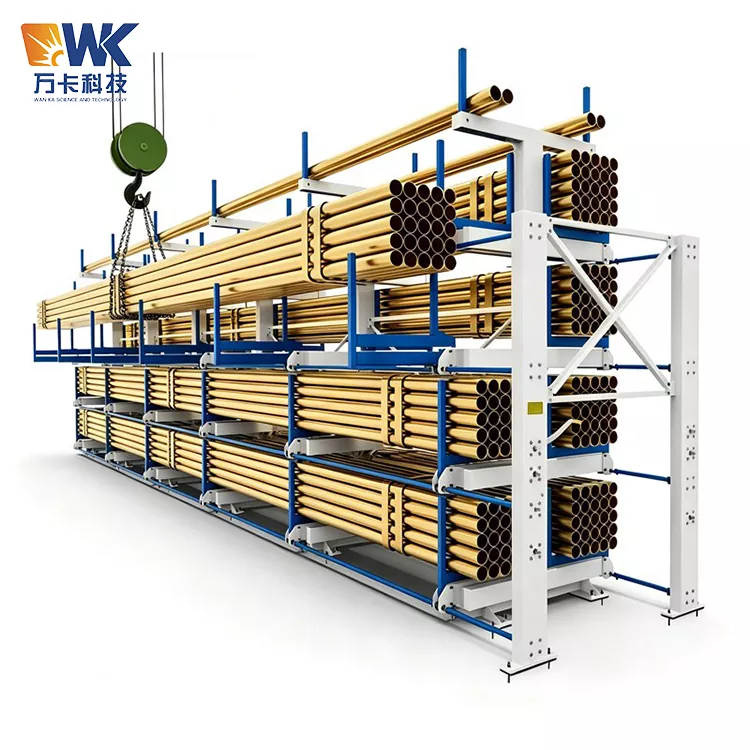
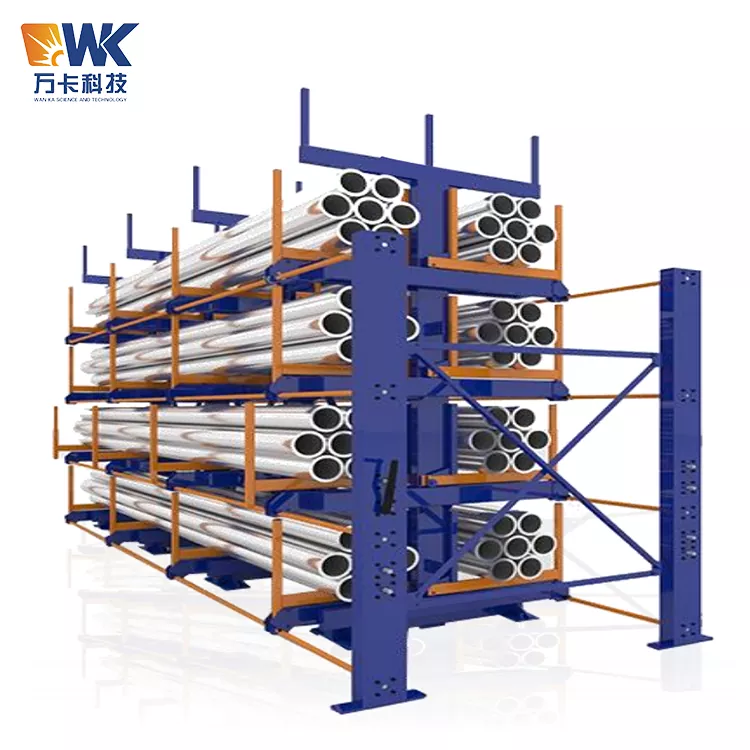
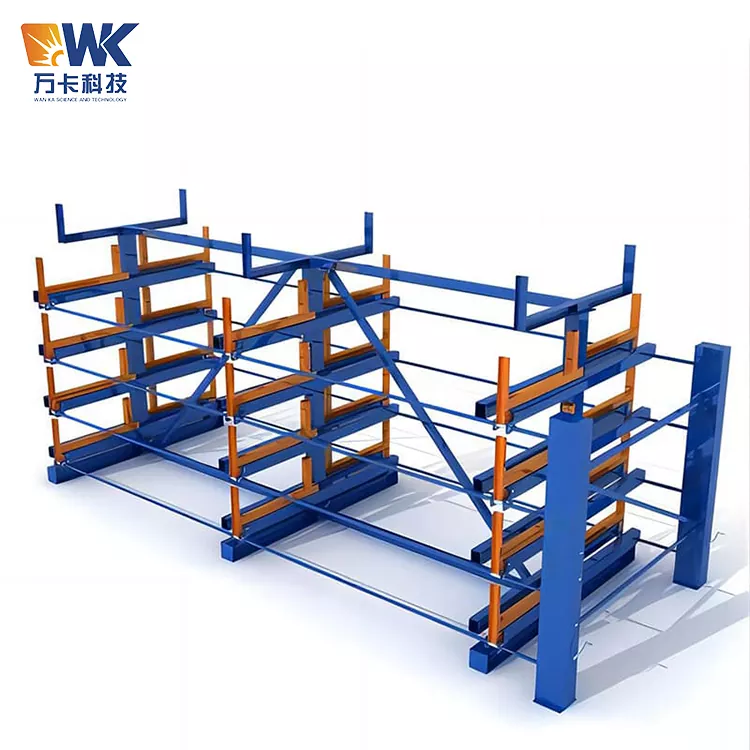
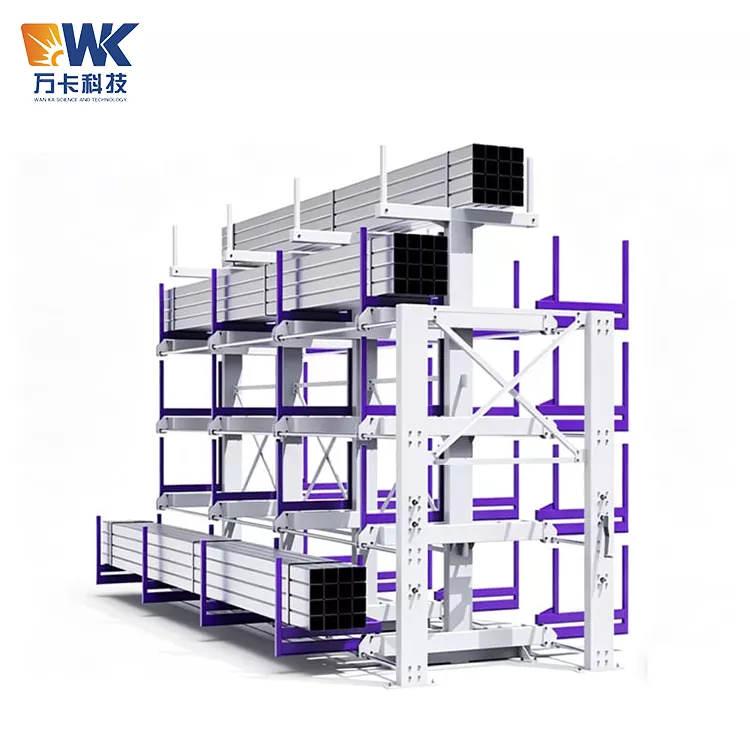
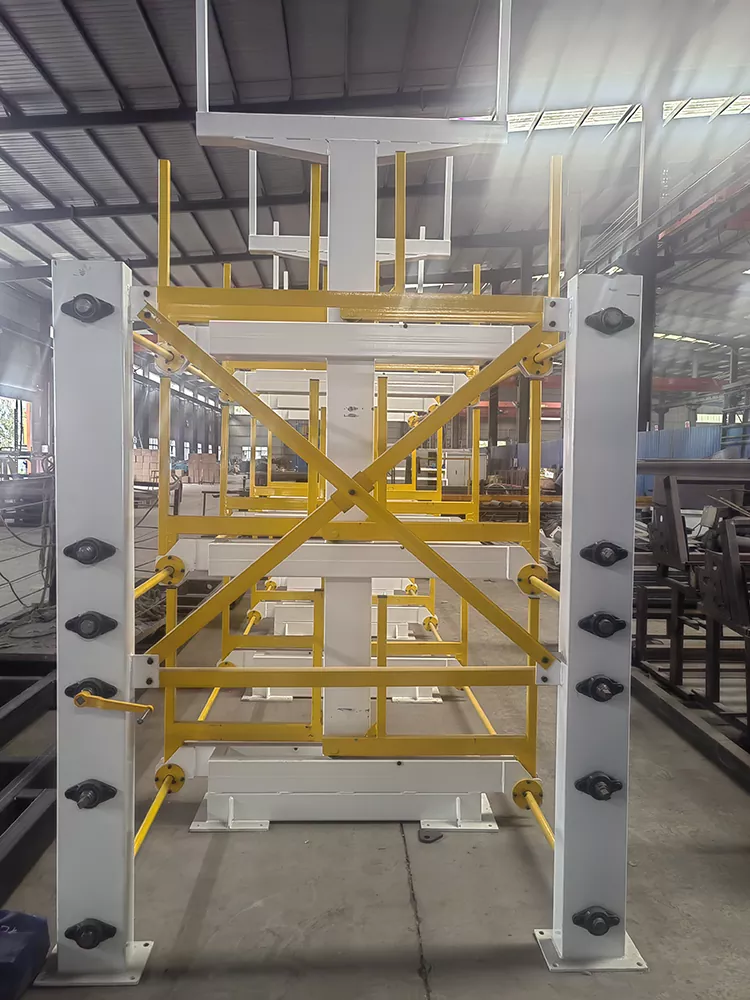
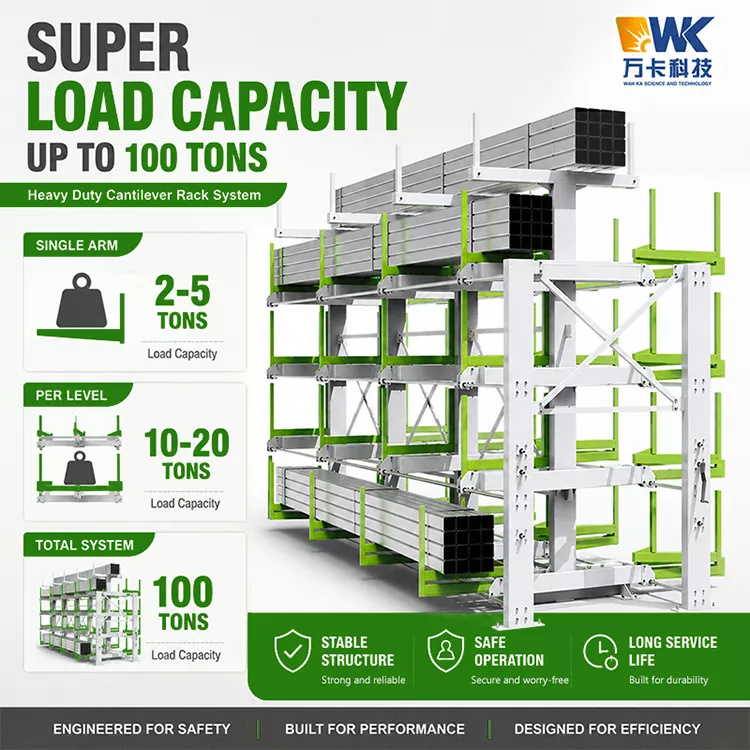
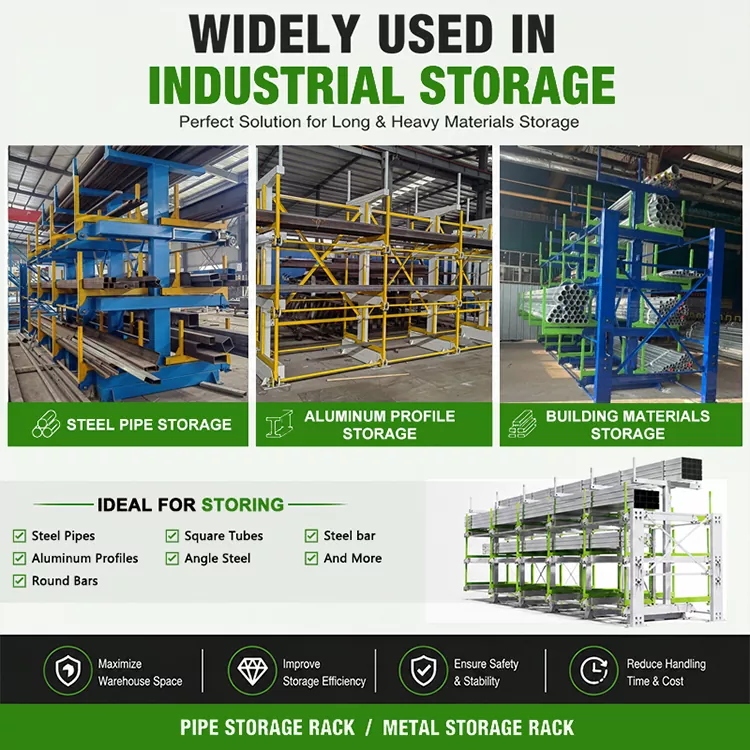
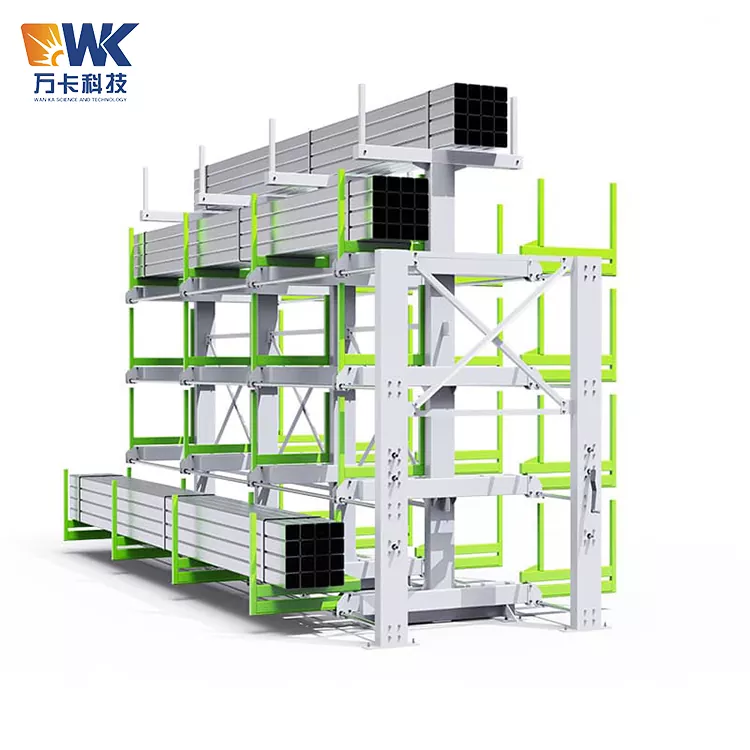
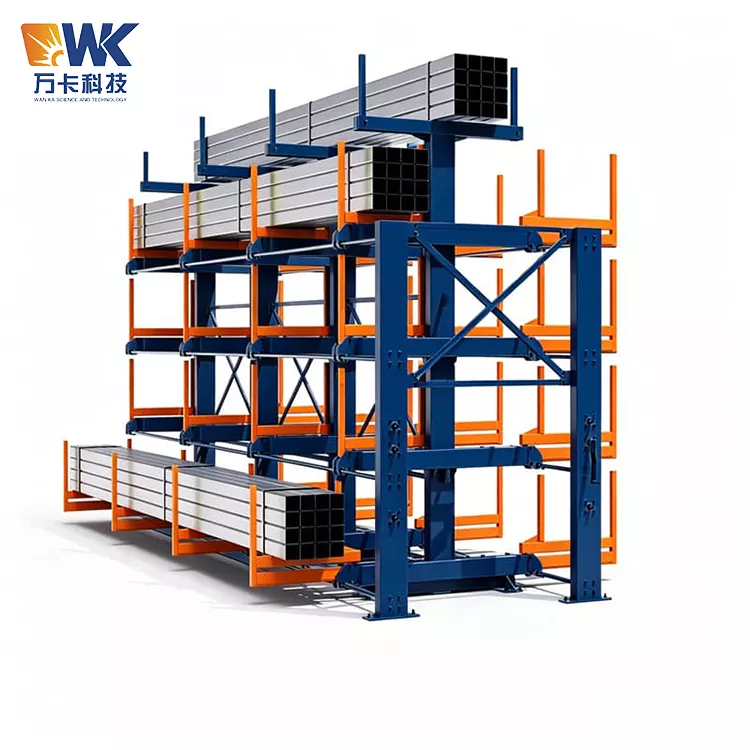
The 120 Manual Profile Warehouse manufactured by Wanka Factory is one of the very few heavy-duty cantilever storage equipment available on the market that can achieve a length of 12 meters and handle a single-arm load of 8 tons through purely manual operation. It is specially designed for industries such as shipbuilding, steel structure engineering, oil and gas pipelines, and heavy machinery equipment, to accommodate large-scale specifications of profiles, pipes, and steel sections.
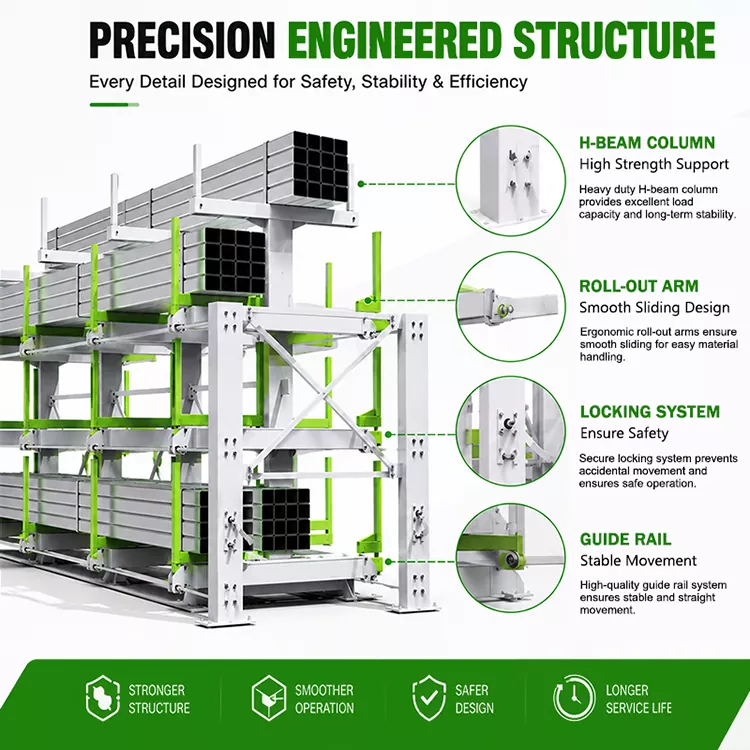
Compared with the conventional 6-meter and 9-meter manual pallet racks, the 120 Manual Profile Warehouse produced by Wanka suppliers has broken through the technical bottlenecks of extremely long cantilever bending resistance and heavy-load transmission. Relying on an ultra-high-speed mechanical deceleration structure, a double-row reinforced transmission system and a heavy-duty counterweight base, it does not require power drive throughout the process, has no electrical components and no spark hazards.
The equipment is suitable for explosion-proof workshops, outdoor power-free storage areas, extremely cold and highly corrosive special working conditions. With extremely low procurement costs, zero power consumption operation, and the core advantages of no complex maintenance and operation, it solves the industry pain points of 12-meter extremely long heavy materials being randomly piled on the ground, cumbersome loading and unloading, waste of space, and deformation of materials due to collision. It is a dedicated upgrade solution for ultra-long profiles with low frequency, high safety and low cost storage in heavy industry enterprises.
Parameters
|
Item |
Technical Data |
|
Model Code |
WK-H12085S (Single-sided) / WK-H12085D (Double-sided) |
|
Max Applicable Profile Length |
12000 mm (12 m) |
|
Rated Single Arm Load |
8000 kg (8 tons), 6-ton version optional |
|
Standard Layer Configuration |
5 layers (4+1), adjustable to 3 layers |
|
Clear Height Between Layers |
200 mm ~ 500 mm (customizable) |
|
Overall Dimension (L × H × W) |
Single-sided: 12435 × 4200 × 1850 mmDouble-sided: 12435 × 4200 × 2100 mm |
|
Ground Clearance of Bottom Layer |
500 mm |
|
Top Layer Height |
3600 mm ~ 4000 mm |
|
Upright Center Distance |
2200 mm |
|
Cantilever Extension Stroke |
1200 mm |
|
Manual Reduction Ratio |
1:80 dual-input worm gear |
|
Handwheel Diameter |
450 mm (dual handwheels) |
|
Full-load Manual Force (Dual Person) |
≤ 120 N per person |
|
Transmission Mode |
Double-row Module 10 rack and pinion |
|
Safety Locking Mode |
Worm self-lock + ratchet lock + manual safety pin |
|
Single-sided Unit Weight |
Approx. 3.2 tons |
|
Anchor Bolt Specification |
M30 × 400 mm (8 sets) |
|
Surface Treatment |
Hot-dip galvanizing / Epoxy spray coating |
|
Optional Configuration |
Explosion-proof handwheel, electric auxiliary start, hydraulic buffer |
Usage Notes
- Foundation Installation Specifications: 120 Manual Profile Warehouse is a super heavy-load and super long cantilever structure. It must be installed on a reinforced concrete floor with a C30 grade and a thickness of 200mm or more. It should be fixed by standard M30 anchor bolts. Installation on soft ground or ordinary hardened ground is prohibited. Risks of overturning and deviation must be avoided. Temporary sites require custom steel plate piers and must be verified by the manufacturer for bearing capacity before use.
- Heavy Load Placement Requirements: When storing and retrieving 8-ton heavy profiles, they must be placed evenly and centrally. Single-sided overloading, end head hanging, and local concentrated loading are strictly prohibited. To avoid minor deformation caused by long-term uneven force on the cantilever, ensure the long-term structural accuracy and operational stability of the equipment.
- Standard Operating Guidelines: For full-load and heavy-load conditions, it is recommended to perform manual operation by two people. When using a single person with an extended lever, control the operation at a constant speed. Violent shaking, sudden jerking, or forceful pulling are strictly prohibited. After the cantilever is fully extended, it must be inserted into the safety lock pin and confirmed to be fully locked before conducting crane or forklift material extraction operations.
- Safety Control of Operating Area: During the extension and contraction of the cantilever, it is prohibited for personnel to stand, pass through, or linger within the operating radius. It is forbidden for the body to enter the travel area of the cantilever. Equipment maintenance, lubrication, and fault troubleshooting must be carried out when the cantilever is completely returned to its position, locked, and stationary.
- Regular Maintenance According to Environmental Conditions: In regular workshops, apply lubricating grease to the gear rack every six months and replace the special lubricating oil for the reducer every two years. For environments with salt spray, outdoor rain, and high dust conditions, increase the frequency of anti-corrosion inspections and maintenance. Repair coatings and check for transmission wear in a timely manner.
- Prohibition of Unauthorized Modification: It is strictly prohibited to replace the lever, dismantle the safety locking structure, or grind the transmission gear rack. Any structural modifications resulting in equipment deformation or safety hazards are not covered by the warranty.
Core product features
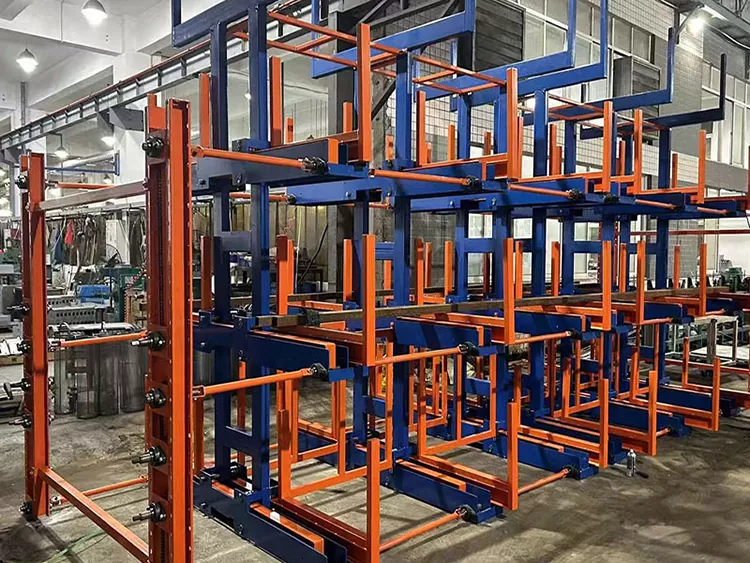
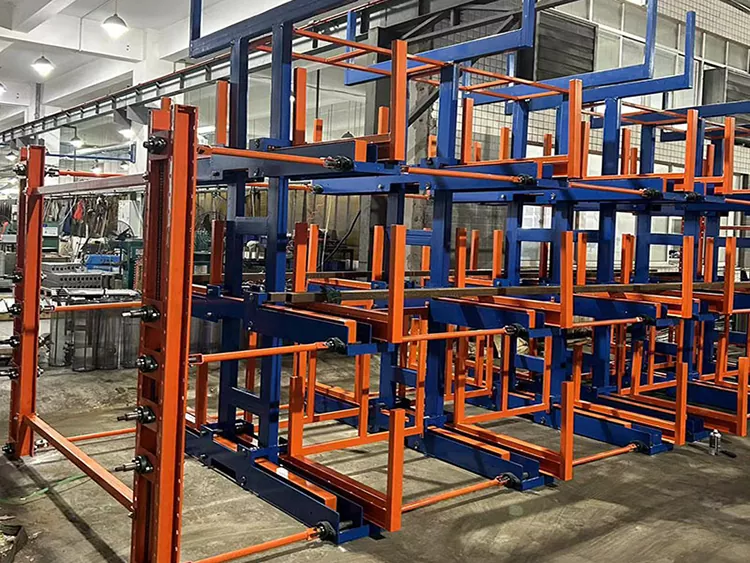
- Industry-exclusive ultra-long heavy-load manual structure
- Ultra-high ratio energy-saving transmission system
- Triple redundant safety locking protection
- Full adaptability to extreme environments
- Ultra-low maintenance and long-lasting design
- High-performance and customizable configuration with good cost-effectiveness
Product core functions
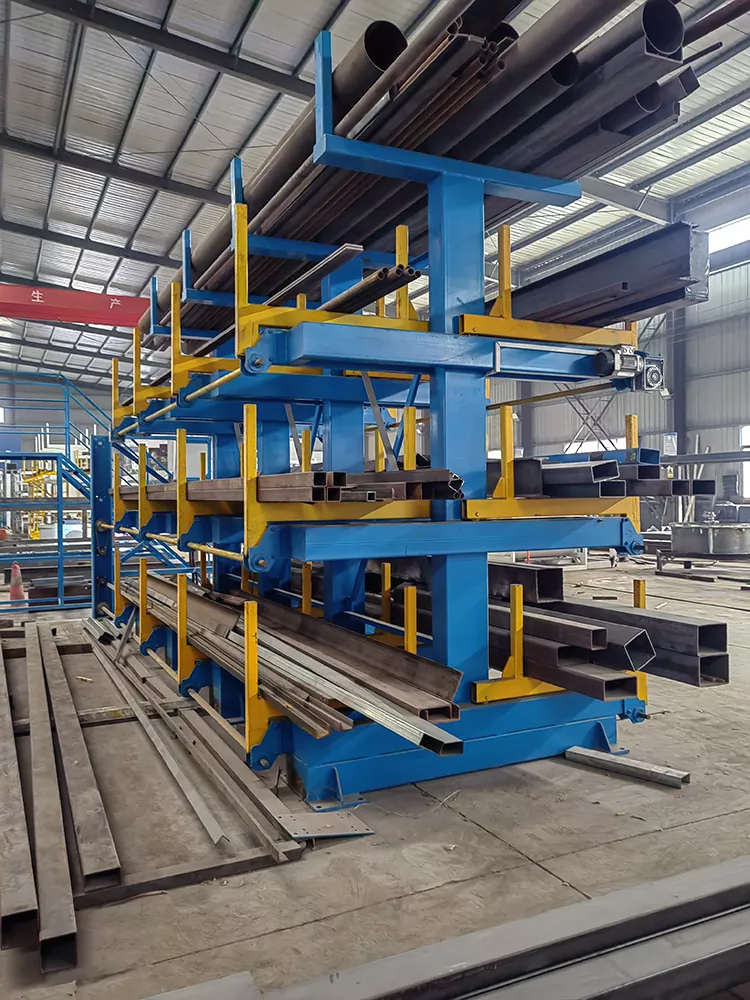
1. Three-dimensional and intensive storage, significantly freeing up factory space
2. Simplifies material retrieval process, significantly reducing labor costs
3. Precise protection of materials, reducing raw material loss
4. Suitable for special working conditions, filling the gap in warehouse safety
5. Standardized warehouse management, enhancing factory organization
6. Long-term cost reduction and efficiency improvement for operation
Related Category
Send Inquiry
Contact Info
-
Address
No. 13 Workshop, Xinglonghai Industrial Park, Jiyang District, Jinan City, Shandong Province, China
-
Tel
-
Email
For Sheet Metal Storage, Profile Warehouse, aser Loader or pricing inquiries, share your email—we'll respond within 24 hours.
News Recommendations